AI Reshaping Air Cargo: Semiconductors & the Future of Air Freight
For years, cross-border e-commerce powered the growth of the global air cargo industry. Fast fashion, consumer electronics, and small parcels dominated cargo aircraft traffic, driven by demand for faster deliveries.
Today, that trend is changing.
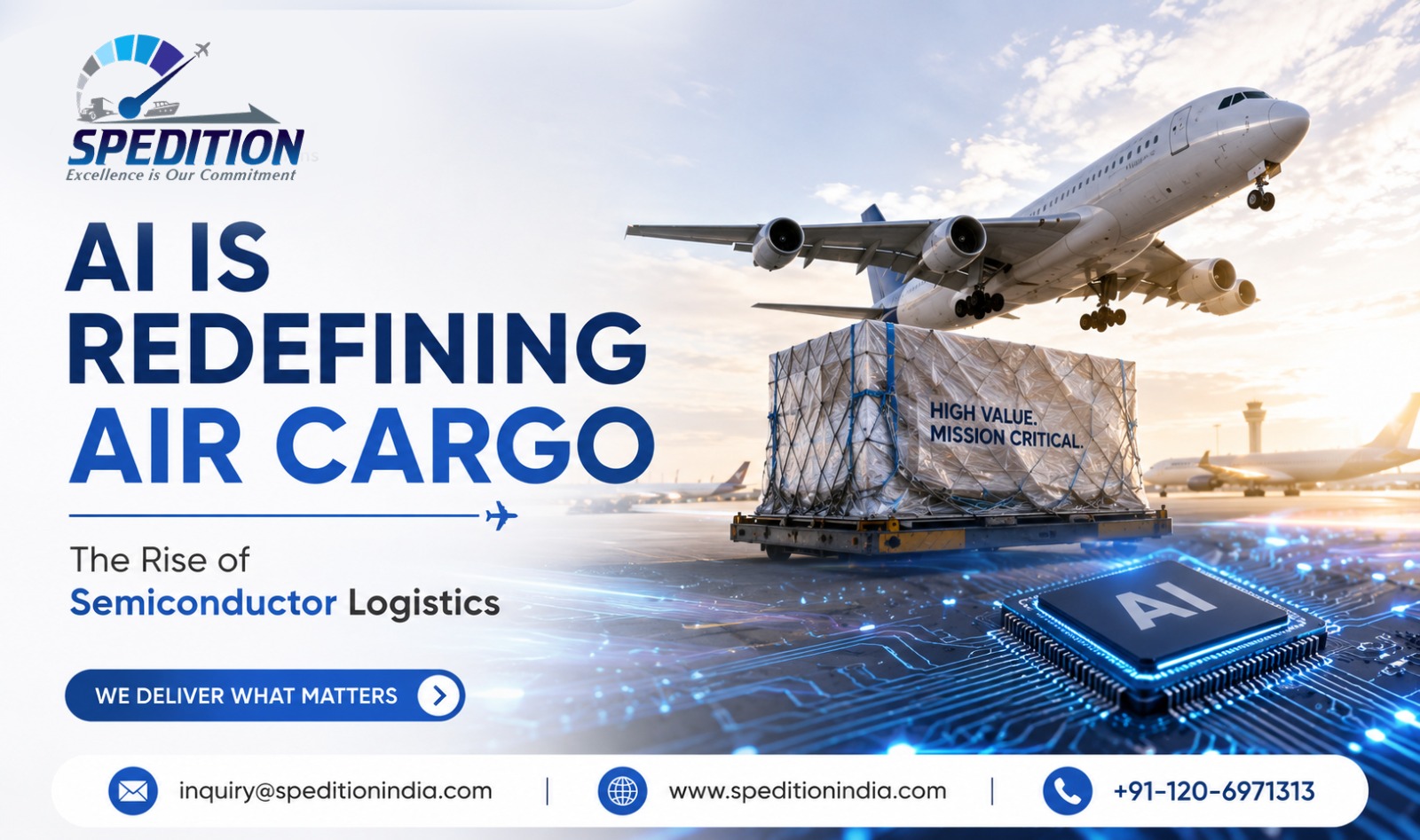
The rapid expansion of Artificial Intelligence (AI) infrastructure is creating a new wave of high-value air freight. Advanced semiconductors, AI processors, servers, and data centre equipment are becoming the industry’s fastest-growing cargo segment, gradually replacing e-commerce as the primary driver of air freight demand.
What’s Driving This Shift?
The global race to build AI capabilities has triggered unprecedented investments in data centres and semiconductor manufacturing. These components are:
- High in value
- Time-sensitive
- Fragile and precision-engineered
- Required on strict project timelines
Unlike consumer goods, delays in transporting AI hardware can postpone entire data centre deployments, making air freight the preferred mode of transportation despite its higher cost.
From E-commerce to AI Cargo
While AI-related cargo is rising rapidly, cross-border e-commerce shipments have slowed due to tighter import regulations in major markets such as the United States and the European Union. This has encouraged airlines to redesign their cargo networks around semiconductor manufacturing hubs instead of traditional e-commerce routes.
Major carriers across Asia are already adapting by:
- Expanding freighter services between semiconductor hubs
- Increasing capacity on trans-Pacific routes
- Investing in specialised handling for sensitive electronic equipment
- Strengthening connections between manufacturing and technology clusters
Asia’s Growing Importance
Countries across Asia are becoming central to the AI supply chain.
- Taiwan remains the global leader in advanced chip manufacturing.
- South Korea is driving production of high-bandwidth memory and AI processors.
- Japan exports critical semiconductor manufacturing equipment.
- Vietnam, Malaysia, Thailand, and Singapore are emerging as key assembly and manufacturing locations for AI servers destined for global markets.
This regional shift is creating new air cargo corridors and increasing demand for specialised logistics solutions.
What This Means for Logistics
The cargo profile is changing.
Instead of moving large volumes of low-value parcels, logistics providers are increasingly handling smaller shipments with significantly higher value and stricter transportation requirements.
This means greater focus on:
- Secure cargo handling
- Faster transit times
- Temperature and shock-sensitive transportation
- Real-time shipment visibility
- Reliable international air freight networks
As AI investments continue worldwide, demand for specialised air cargo services is expected to remain strong throughout the coming years.
The Spedition Perspective
The future of air freight is no longer defined solely by speed, it’s increasingly driven by precision, reliability, and the ability to move mission-critical technology across global supply chains.
As industries evolve and AI transforms manufacturing and infrastructure, logistics providers must stay agile, connected, and prepared to support the next generation of global trade.
At Spedition, we continue to monitor these industry shifts closely, helping businesses navigate changing supply chains with dependable international logistics solutions tailored to today’s dynamic trade environment.
📩 inquiry@speditionindia.com 🌐 www.speditionindia.com 📞 +91-120-6971313