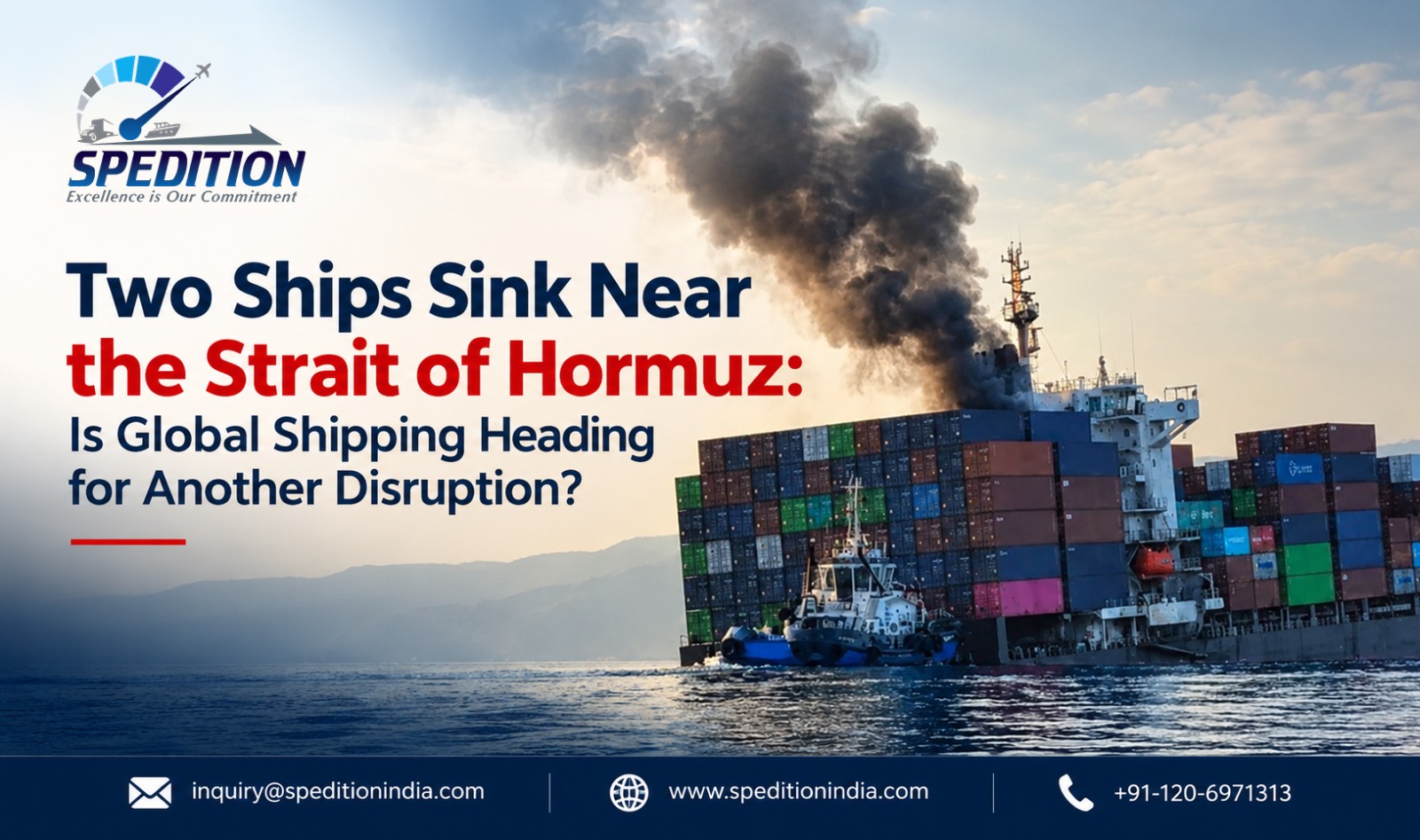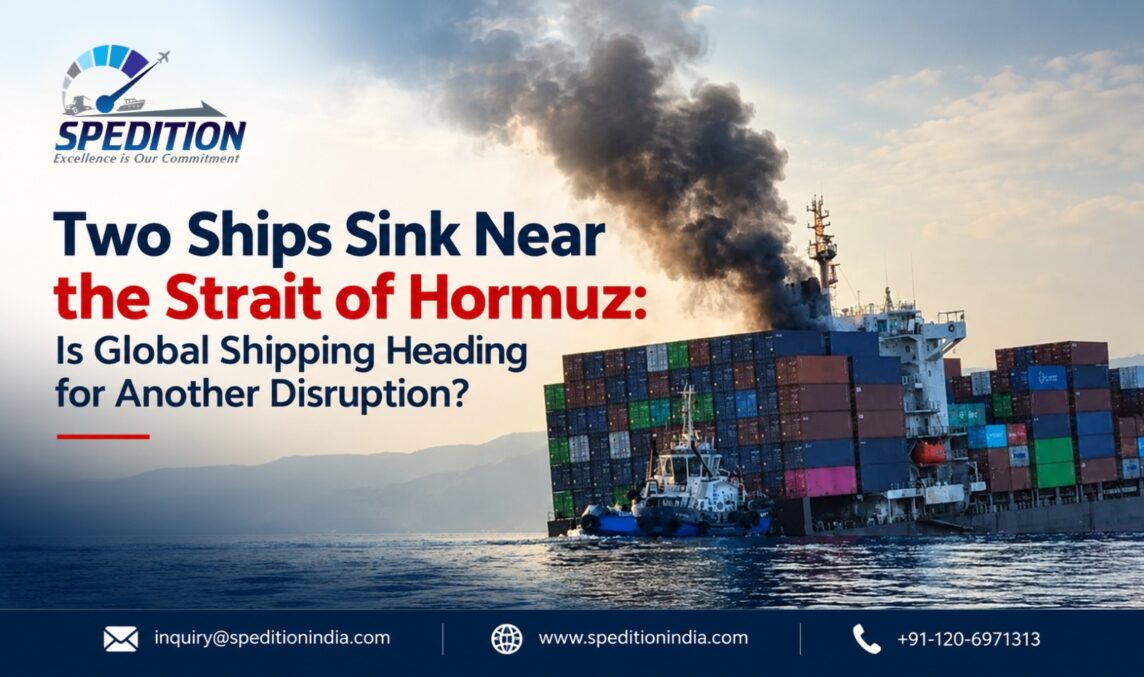
Two Ships Sink Near the Strait of Hormuz: Is Global Shipping Heading for Another Disruption?
When commercial vessels come under attack near one of the world’s most critical shipping routes, the impact goes far beyond the ships themselves. It raises concerns about cargo safety, shipping costs and the reliability of global supply chains.
The recent sinking of two vessels near the Strait of Hormuz has brought maritime security back into focus. With the region playing a crucial role in international energy transportation and trade, developments here can have wider implications for businesses that depend on predictable shipping schedules.
The bigger concern is not just what happened at sea, but how continued uncertainty could affect the movement of goods worldwide.
Why the Strait of Hormuz Matters to Global Trade
The Strait of Hormuz connects the Persian Gulf with the Gulf of Oman and the wider Arabian Sea. Its strategic location makes it a vital passage for global energy shipments and an important part of the wider maritime trade network.
When security risks rise in such a critical corridor, shipping operators may need to reassess vessel movements, routing decisions and safety measures. Even without a complete shutdown, uncertainty can affect schedules, operating costs and business planning.
How Shipping Disruptions Affect Businesses
For international trade, a disruption at sea rarely stays at sea. Delays and operational changes can affect multiple stages of the supply chain, from cargo movement and port schedules to inventory planning and final delivery.
Businesses may face:
- Longer transit times as shipping operations adjust to changing security conditions.
- Higher freight and insurance costs as operating risks are reassessed.
- Uncertain delivery schedules that affect production, inventory and customer commitments.
- Additional planning pressure for importers and exporters managing time-sensitive cargo.
The extent of the impact will depend on how the situation develops, the routes involved and the operational decisions taken by shipping lines.
What Businesses Should Watch
In an uncertain shipping environment, timely information becomes just as important as transportation itself. Importers and exporters should stay in close contact with their freight forwarders, monitor verified maritime advisories and review shipment schedules for possible changes.
Assessing alternative routes, planning inventory requirements and preparing for potential cost variations can also help businesses respond more effectively if disruptions continue.
The objective is not to predict every development, but to make informed decisions before uncertainty turns into a larger operational challenge.
The Bigger Picture
The incidents near the Strait of Hormuz are a reminder of how closely maritime security and global trade are connected. A disruption along one strategic route can influence freight costs, delivery timelines and supply chain decisions across multiple markets.
In today’s interconnected trade environment, reliable logistics requires more than moving cargo from one point to another. It calls for awareness, coordination and the ability to adapt when conditions change.
At Spedition, we believe that staying informed and planning ahead are essential to navigating an evolving global logistics landscape.
📩 inquiry@speditionindia.com 🌐 www.speditionindia.com ☎️ +91-120-6971313