Skip to Content

Blog Archives

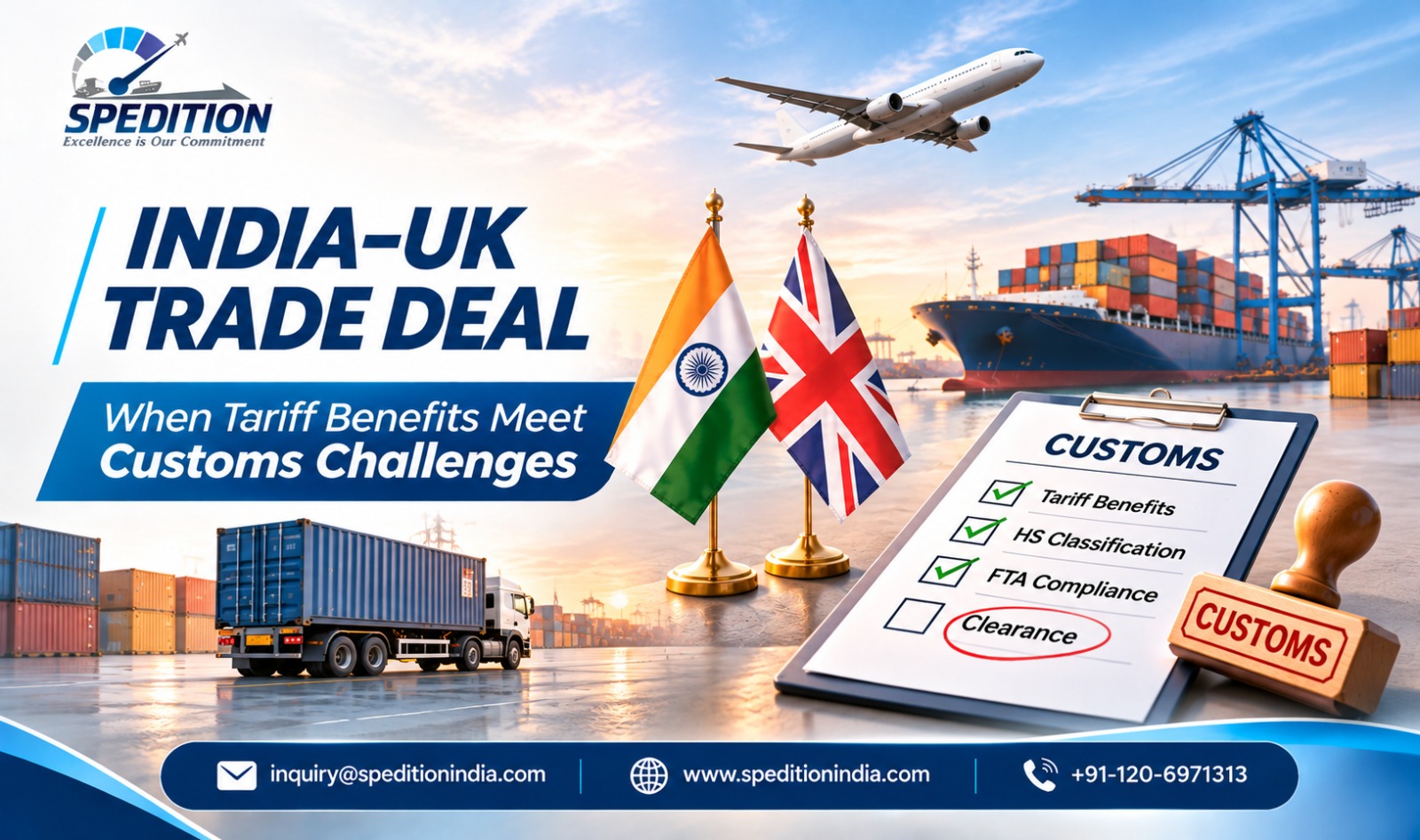
INDIA–UK TRADE DEAL When Tariff Benefits Meet Customs Challenges

INDIA–UK TRADE DEAL When Tariff Benefits Meet Customs Challenges


India’s trade agreement with the United Kingdom was expected to create new opportunities for businesses by reducing import duties and strengthening bilateral trade. However, a recent customs dispute involving bulk Scotch whisky imports has put the agreement’s implementation to an early test.

The issue highlights an important aspect of international trade: while Free Trade Agreements (FTAs) can reduce tariffs, their actual benefits depend on clear customs procedures, accurate product classification and consistent regulatory interpretation.

What Is the Dispute About?

Indian customs authorities have detained several containers of bulk Scotch whisky imported by major companies, including Pernod Ricard and Diageo.

The disagreement centres on the preferential import duty offered under the India–UK trade agreement, which came into effect in July 2026.

Under the agreement, import duties on qualifying Scotch whisky were reduced from 150% to 75%. However, customs authorities have questioned whether this concession also applies to bulk Scotch concentrates used in further manufacturing or only to finished, bottled products.

The Directorate of Revenue Intelligence (DRI) has reportedly directed customs officials to continue applying the higher 150% duty to these shipments, pending clarification.

The dispute has brought tariff classification and the interpretation of product-specific concessions into focus, with the industry and authorities taking different positions.

Why Are the Shipments Being Held?

At the centre of the issue is the classification of imported goods under India’s customs tariff system.

While importers maintain that bulk Scotch whisky should qualify for preferential treatment under the agreement, authorities have questioned whether these products fall under the same tariff category as finished bottled whisky.

This distinction is important because customs classification determines the applicable duty rates, regulatory requirements and eligibility for trade concessions.

The matter also highlights the importance of understanding product-specific tariff schedules before importing goods under an FTA.

What Does This Mean for India’s EXIM Trade?

Although the dispute involves the Scotch whisky industry, the implications extend to businesses across different import and export sectors.

1. Customs Classification Matters

Accurate HS code classification is essential for determining import duties and regulatory requirements. Even a difference in product classification can affect the overall landed cost of a shipment.

2. FTA Benefits Require Careful Interpretation

Reduced tariffs do not automatically guarantee smooth customs clearance. Businesses must understand product-specific concessions, rules of origin and the conditions attached to preferential duty benefits.

3. Customs Delays Can Disrupt Supply Chains

When shipments are held due to classification or regulatory disputes, businesses may face additional costs, longer clearance timelines and inventory management challenges.

4. Import Cost Planning Becomes More Important

Unexpected changes in duty interpretation can affect procurement budgets, pricing strategies and commercial commitments. Importers need to consider regulatory risks while planning international shipments.

What Should Importers and Exporters Keep in Mind?

As India continues to strengthen its international trade relationships, businesses must stay informed about changing customs regulations and trade policies.

Here are a few important steps to consider:

  • Verify the correct HS code and customs classification before shipment.
  • Review the applicable FTA tariff schedule for the specific product.
  • Check rules of origin and preferential duty eligibility.
  • Ensure commercial invoices and supporting documents accurately describe the goods.
  • Stay updated on customs notifications and regulatory developments.
  • Coordinate with experienced customs brokers and freight forwarding partners to minimise clearance-related uncertainties.

The Bigger Picture: Trade Agreements Need Strong Implementation

The India–UK trade agreement represents an important step towards strengthening bilateral trade and creating new opportunities for businesses. However, the ongoing Scotch import dispute demonstrates that successful trade agreements require more than reduced tariffs.

Clear customs procedures, consistent interpretation of regulations and effective coordination between government departments are equally important in ensuring that businesses can benefit from negotiated trade concessions.

For importers and exporters, the takeaway is simple: understanding trade agreements is just as important as understanding the logistics of moving goods across borders.

At Spedition, we believe that informed shipment planning, regulatory awareness and the right logistics support are essential to navigating an evolving global trade environment.

📩 inquiry@speditionindia.com 🌐 www.speditionindia.com 📞 +91-120-6971313
0 0 Continue Reading →

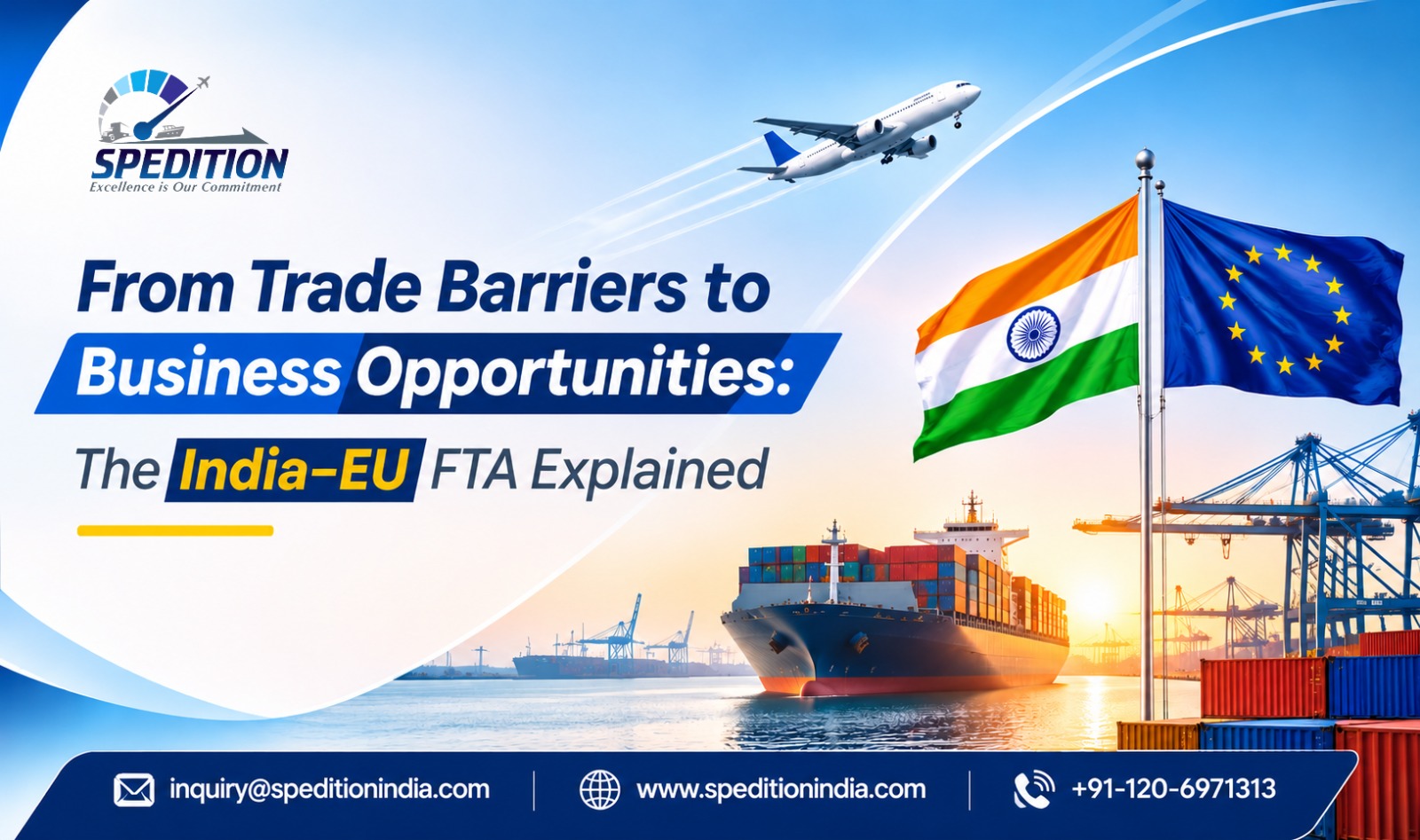
From Trade Barriers to Business Opportunities: The India–EU FTA Explained

From Trade Barriers to Business Opportunities: The India–EU FTA Explained


India and Europe are preparing for a stronger trade partnership, one that could open new markets, reduce trade costs and create opportunities for businesses across industries.

The India–European Union Free Trade Agreement (FTA) is entering a new phase, shifting from negotiations toward implementation. As both sides make progress on customs cooperation, market access and trade facilitation, the focus is increasingly on ensuring the agreement delivers real, practical benefits for businesses.

In the latest development, India and the EU held discussions in Brussels on implementation-related matters ahead of the proposed signing in December 2026. A key focus was on making customs procedures more efficient, transparent and digitally enabled.

But beyond the headlines and policy discussions, what does this agreement actually mean for businesses? And how could it influence India’s export-import landscape and logistics industry?

Let’s take a closer look.

What Is the India–EU FTA and Why Does It Matter?

A Free Trade Agreement is a pact between two or more economies that aims to reduce or eliminate trade barriers, including customs duties, and make cross-border trade easier.

For India and the EU, this agreement represents an opportunity to strengthen an already significant trading relationship.

The negotiations, which began in 2007, were relaunched in 2022 and officially concluded on January 27, 2026. The proposed agreement is expected to eliminate tariffs on over 99% of Indian exports to the EU, creating greater market access for several Indian industries.

For businesses, this could mean improved price competitiveness, access to a larger customer base and opportunities to build stronger international trade relationships.

Which Indian Industries Could Benefit the Most?

The agreement is expected to create opportunities across several sectors, particularly industries where India has a strong manufacturing and export presence.

1. Textiles and Apparel

Indian textile and garment manufacturers could benefit from reduced tariff barriers when exporting to European markets. This may help improve price competitiveness and encourage businesses to explore new buyers and distribution networks.

2. Leather and Footwear

The European market offers significant opportunities for India’s leather and footwear industry. Better market access could support export growth and encourage manufacturers to expand their international presence.

3. Gems and Jewellery

India’s established jewellery manufacturing ecosystem, particularly in Mumbai and Surat, could benefit from stronger trade connections with Europe. Cooperation involving Antwerp, a major global diamond trading centre, could further strengthen industry relationships.

4. Engineering and Manufacturing

Reduced trade barriers could create opportunities for Indian engineering and manufacturing companies to expand their European customer base, explore partnerships and become more competitive in international markets.

As these industries explore new opportunities, efficient transportation, documentation and supply chain coordination will become increasingly important.

What Does the Agreement Mean for India’s Logistics Industry?

More trade opportunities naturally bring greater requirements for efficient cargo movement. As businesses expand their international reach, logistics will play an important role in connecting Indian suppliers with European markets.

Here are four areas where the agreement could make a difference.

1. Growing Demand for International Freight

Increased trade activity could create additional demand for sea freight and air freight services. Exporters may need reliable transportation solutions to move goods across international markets while managing costs and delivery schedules.

2. More Focus on Customs Efficiency

One of the key areas discussed during the recent India–EU meetings was customs cooperation.

Both sides highlighted the importance of efficient, transparent and digitally enabled customs procedures. Better coordination could help reduce administrative delays and transaction costs, making the movement of legitimate cargo smoother.

However, businesses will still need to meet applicable customs, product-specific and regulatory requirements.

3. Stronger Supply Chain Connectivity

As trade relationships deepen, businesses will need dependable logistics networks that connect manufacturers, suppliers, freight forwarders and international markets.

Improved trade facilitation could support better coordination across the supply chain and help businesses plan their shipments more effectively.

4. Greater Importance of Documentation and Compliance

Reduced tariffs do not mean an absence of trade regulations. Exporters and importers will still need to understand rules of origin, product classification, certification requirements and applicable customs documentation to access preferential trade benefits.

Accurate documentation and compliance will remain essential for avoiding unnecessary delays and additional costs.

Customs Cooperation: The Next Big Step

While tariff reductions often receive the most attention in trade agreements, customs efficiency is equally important.

A shipment may benefit from lower duties, but complicated documentation, lengthy clearance procedures or regulatory issues can still increase the overall cost of doing business.

This is why India and the EU are placing considerable emphasis on customs cooperation and trade facilitation.

The recent discussions also touched upon certification, traceability and responsible sourcing within the diamond industry. This highlights the importance of transparency and compliance in international supply chains.

For exporters and importers, the focus should be on preparing for a trading environment where both competitive pricing and regulatory compliance matter.

What Should Indian Businesses Do to Prepare?

Although the agreement is progressing towards its proposed signing, businesses can start evaluating their international trade strategies well in advance.

Here are a few practical steps to consider:

  • Explore European Markets: Identify potential buyers, distributors and business opportunities across EU member countries.
  • Review Export Competitiveness: Understand how proposed tariff reductions could influence product pricing and market positioning.
  • Strengthen Documentation Processes: Review customs documentation, product classifications, certification and rules of origin requirements.
  • Evaluate Freight Solutions: Assess transportation options, transit requirements and shipment planning for European destinations.
  • Build Reliable Logistics Partnerships: Work with experienced logistics partners who can support international freight movement and coordinate the different stages of the supply chain.

Being prepared can help businesses respond more effectively as the agreement moves closer to implementation.

The Road Ahead: From Trade Agreement to Trade Opportunities

The India–EU FTA is more than a trade policy development. It represents an opportunity to strengthen economic ties, encourage international business partnerships and create more connected supply chains.

With negotiations concluded in January 2026, the agreement is undergoing the necessary legal and procedural preparations. The proposed signing is expected in mid-December 2026, while entry into force is targeted for mid-2027, subject to the required approvals and ratification.

For Indian businesses, the coming months will be an important time to understand the agreement, evaluate new opportunities and prepare their operations for potential changes in international trade.

At Spedition, we understand that successful global trade depends on more than access to new markets. It requires reliable freight solutions, efficient coordination and the right logistics support to keep goods moving across borders.

As India and Europe move towards a stronger trade partnership, having a well-planned logistics strategy will be an important part of making the most of these emerging opportunities.

Because opening new markets is just the beginning. Moving business forward requires the right logistics partner.

Connect with Spedition for your international freight and logistics requirements.

📩 inquiry@speditionindia.com 🌐 www.speditionindia.com 📞 +91-120-6971313

0 0 Continue Reading →
devnergy