Skip to Content

Blog Archives

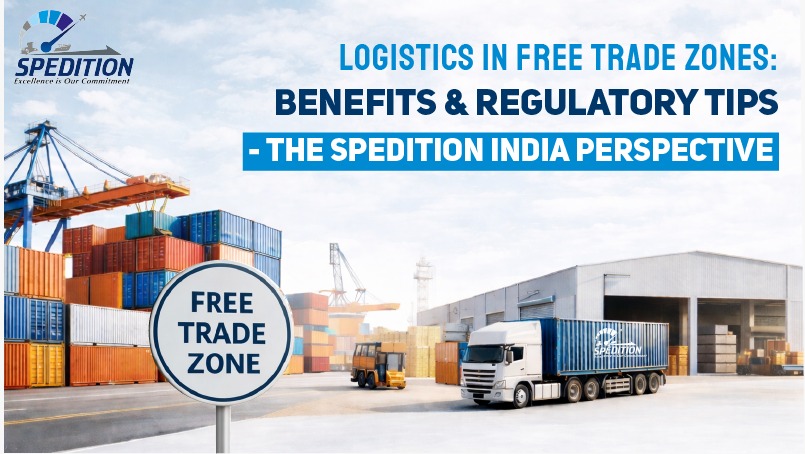
Logistics in Free Trade Zones: Benefits & Regulatory Tips – The Spedition India Perspective

Logistics in Free Trade Zones: Benefits & Regulatory Tips – The Spedition India Perspective

Introduction to Free Trade Zones (FTZs)

Logistics in today’s competitive global market has evolved beyond its original purpose of moving products between two locations. The new logistics system requires businesses to deliver their products to customers while meeting legal requirements and maintaining operational flexibility and financial efficiency. Free Trade Zones (FTZs) provide Indian businesses with a significant advantage for their international expansion needs because these zones deliver multiple benefits when combined with Spedition India as their logistics partner.

What Are Free Trade Zones?

Free Trade Zones function as designated areas which permit the storage and processing and assembly and re-export of imported goods without requiring the immediate payment of customs duties or taxes. From a logistics perspective, FTZs serve as essential hubs which enhance the efficiency of global trade operations.

Why FTZs Matter for Indian Businesses

With India emerging as a global manufacturing and export powerhouse, FTZs help businesses stay competitive. The system decreases trade obstacles while it enhances delivery speed and enables smooth international transit through its partnership with Spedition India, which operates as a reliable logistics provider.

Role of Logistics in Free Trade Zones

Why Expert Logistics Makes the Difference

FTZ benefits don’t unlock themselves. Without proper logistics planning, compliance management, and operational control, businesses can miss out on savings or face regulatory trouble.

How Spedition India Supports FTZ Operations

Spedition India provides extensive knowledge about international freight forwarding services together with customs coordination and warehousing and multimodal logistics operations. The FTZ-focused solutions ensure goods move efficiently while staying fully compliant with Indian and international regulations.

Types of Free Trade Zones Relevant to India

Special Economic Zones (SEZs) in India

India’s Special Economic Zones create export growth through their provision of tax benefits and their implementation of easier customs processes and their delivery of top-notch infrastructure. Spedition India provides complete logistics services to assist its customers who work in Special Economic Zones.

Export Processing Zones (EPZs)

EPZs dedicate their operations to manufacturing activities that support export markets. The combination of Spedition India handling raw material shipments and finished product deliveries enables businesses to achieve better operational efficiency.

Free Ports and Bonded Warehousing

Bonded warehouses allow goods to be stored without immediate duty payment. Spedition India helps businesses leverage bonded facilities to improve cash flow and inventory control.

Key Benefits of Free trade zones Logistics for Businesses

Duty and Tax Advantages

One of the biggest advantages of Free Trade Zones logistics is duty deferral. Businesses only pay customs duties when goods enter the domestic market. For re-exports, duties may be eliminated altogether.

Faster Customs Clearance with the Right Partner

Spedition India uses its customs expertise to deliver faster shipment clearances while decreasing paperwork requirements and shortening all waiting periods.

Improved Cash Flow and Cost Efficiency

The practice of delaying duty payments together with effective inventory management enables companies to maintain working capital which serves as a vital benefit during competitive market conditions.

Supply Chain Flexibility and Scalability

The free trade zone system enables companies to make instant operational changes which they require to meet shifting market needs. The system allows products to undergo repackaging and relabeling and redirection without incurring extra customs fees.

How Spedition India Enhances Free Trade Zones Supply Chains

Reduced Transit and Lead Times

Strategic routing, multimodal transport, and proximity to ports help Spedition India reduce transit times significantly.

Inventory Optimization and Visibility

With real-time tracking and efficient warehouse management, clients gain complete visibility over their Free Trade Zones inventory.

Value-Added Logistics Services

Spedition India offers services like kitting, labelling, consolidation, and quality checks within FTZs—adding value without increasing duty costs.

Industries Served by Spedition India through FTZ Logistics

Manufacturing and Industrial Goods

Manufacturers benefit from duty-free import of components and smooth export of finished products.

Automotive and Engineering Cargo

High-value parts and machinery require precise handling—something Spedition India specializes in.

Pharmaceuticals and Healthcare

With strict compliance requirements, pharma companies rely on Spedition India for secure and compliant FTZ logistics.

E-commerce and Retail Trade

E-commerce brands use FTZs to handle their cross-border operations and returns processing and inventory storage.

Regulatory Framework for FTZ Logistics in India

Indian Customs and FTZ Compliance

FTZs operate under strict customs supervision. While benefits are attractive, compliance is mandatory.

Documentation and Reporting Requirements

Accurate Bills of Entry, shipping bills, and inventory records are critical to avoid penalties.

Common Compliance Risks

Misclassification, incorrect valuation, and poor documentation can lead to delays or fines.

Regulatory Best Practices Followed by Spedition India

Accurate Record-Keeping

Spedition India requires its staff to document all operational activities for verification purposes.

Compliance-Driven Logistics Planning

The team assesses regulations during all delivery processes which begin with route planning and conclude with final delivery.

Technology-Enabled Transparency

The digital tools enable clients to maintain ongoing readiness for audits throughout the entire process.

Technology in Modern FTZ Logistics

Warehouse & Transport Management Systems

Advanced systems streamline operations and reduce manual errors.

Digital Customs Coordination

Electronic documentation speeds up approvals and reduces compliance risks.

Real-Time Tracking and Analytics

Clients benefit from data-driven insights for smarter decision-making.

Challenges in FTZ Logistics and How Spedition India Manages Them

Regulatory Changes

Spedition India stays updated with policy changes to keep clients compliant.

Operational and Security Risks

Security protocols with high strength protect valuable cargo shipments.

Infrastructure Constraints

Strategic planning helps to solve the problems which arise from regional infrastructure limitations.

Strategic Tips to Maximize Free Trade Zones Benefits

Choosing the Right FTZ Location

Spedition India helps clients select FTZs close to ports and markets.

Partnering with an Experienced Logistics Provider

Expertise reduces risks and maximizes savings.

Regular Compliance Audits

Proactive audits prevent costly disruptions.

FTZ Logistics Opportunities in Emerging Markets

India’s Growing Role in Global Trade

With government-backed initiatives, India is becoming a preferred trade hub.

Government Incentives and Trade Policies

FTZ-friendly policies encourage foreign and domestic investment.

Future of Free Trade Zone Logistics

Sustainable and Green Logistics

Spedition India has established its connection to environmentally friendly methods through its choice of cleaner transportation systems.

Smart FTZs and Digital Supply Chains

The development of Free Trade Zone logistics operations is being driven by automation technologies and data analytics capabilities.

Conclusion

Free Trade Zones offer immense potential but their success depends on the establishment of proper logistics systems. Spedition India helps businesses achieve their full potential in FTZ logistics operations through its compliance-driven methods and technology solutions. Spedition India provides businesses with dependable support for their international trade operations through its ability to deliver cost-effective solutions and support worldwide business expansion.

FAQs

  1. How does Spedition India support FTZ logistics?
    Spedition India provides end-to-end logistics, customs coordination, warehousing, and compliance support.
  2. Are FTZs beneficial for Indian exporters?
    Yes, FTZs reduce costs, improve speed, and enhance global competitiveness.
  3. Can Spedition India handle bonded warehousing?
    Yes, Spedition India offers bonded and FTZ warehousing solutions.
  4. What industries benefit most from FTZ logistics?
    Manufacturing, automotive, pharma, and e-commerce benefit significantly.
  5. Is FTZ logistics suitable for long-term supply chain planning?
    Absolutely. FTZs provide flexibility, scalability, and regulatory advantages.
 

0 0 Continue Reading →

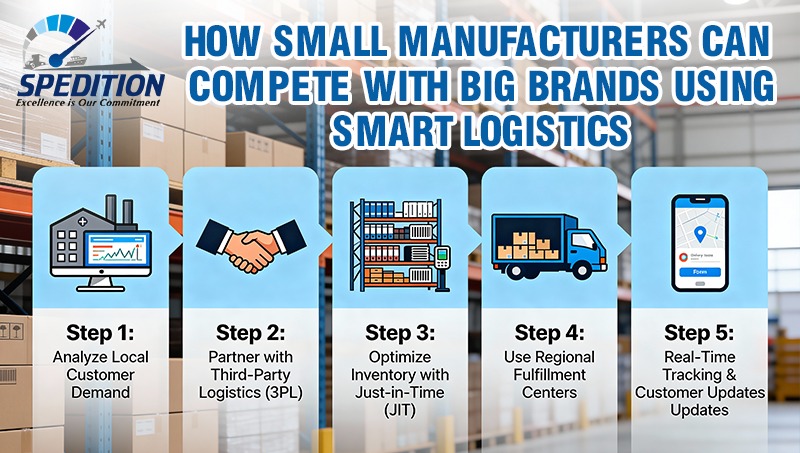
How Small Manufacturers Can Compete with Big Brands Using Smart Logistics

How Small Manufacturers Can Compete with Big Brands Using Smart Logistics

Introduction – When Size Is Not the Only Advantage

In today’s competitive manufacturing landscape, small manufacturers often feel overshadowed by big brands. Large companies have massive production capacities, nationwide warehouses, and deep pockets. But here’s the truth—success no longer depends on size alone but smart logistics. It depends on how smartly you move your goods.

Big Brands vs Small Manufacturers

The scale is the reason for the dominance of big brands, but small manufacturers are endowed with an equally powerful attribute—flexibility. This flexibility, combined with the right logistics partner like Spedition India, Results in a strong competitive advantage.

Why Logistics Is the Real Game Changer

Logistics has transformed from merely being a transportation concern to being a whole package of speed, visibility, cost management, and customer satisfaction. By the use of intelligent logistics, even small manufacturers will be able to run neck to neck with the major players in the industry.

The Role of Smart Logistics in Modern Manufacturing

What Smart Logistics Means Today

Smart logistics refers to an area that applies the ideal amalgamation of technology, data, and strategic elements to guarantee that goods move smoothly through the supply chain.

Traditional Logistics vs Smart Logistics

Traditional logistics reacts to problems. Smart logistics anticipates them. With Spedition India’s technology-driven approach, manufacturers gain control instead of chaos.

Why Logistics Determines Market Success

Late deliveries, high costs, or damaged goods can cost customers. Smart logistics ensures reliability—something modern buyers value deeply.

Challenges Faced by Small Manufacturers in India

Rising Freight and Fuel Costs

The advent of unplanned transportation could be severely detrimental to margins. Without shared delivery and freight scheduling, costs would soar to unmanageable levels.

Limited Warehousing Infrastructure

The expenses of operating warehouses together with inefficient storage operations handling hinder business activities.

Poor Supply Chain Visibility

Not knowing where shipments are leads to missed deadlines and unhappy customers.

How Big Brands Dominate Through Logistics

Scale and Cost Advantages

Big brands ship in bulk and negotiate better rates.

Integrated Logistics Networks

Their network systems create strong connections between ports and highways and urban areas.

Technology-Driven Operations

The company uses automation together with analytics to maintain its competitive advantage.

How Spedition India Levels the Playing Field

Customized Logistics Solutions

Spedition India understands that no two manufacturers are the same. Solutions are tailored to specific business needs.

Multi-Modal Transportation Expertise

By combining road, rail, sea, and air freight, Spedition India ensures cost-effective and reliable movement of goods.

End-to-End Supply Chain Management

From pickup to final delivery, Spedition India manages the entire logistics lifecycle.

Turning Agility into a Competitive Advantage

Faster Response to Market Demand

Small manufacturers can adapt quickly—and Spedition India ensures smart logistics keeps pace.

Flexible Logistics Planning with Spedition India

Seasonal demand spikes? New markets? Spedition adjusts logistics plans without disruption.

Personalized Fulfilment Strategies

Unlike big brands, small manufacturers can offer personalized delivery experiences—supported by Spedition’s flexible logistics.

Technology-Driven Logistics by Spedition India

Real-Time Tracking and Visibility

The manufacturers receive absolute revelation regarding their transportations.

Data-Driven Decision Making

Statistical analysis aids in anticipating demand, organizing inventory properly, and minimizing risks.

Automation and Digital Documentation

Faster processing, fewer errors, and smoother operations.

Smart Inventory Management with Spedition India

Just-in-Time Inventory Solutions

Reduce storage costs while ensuring timely availability of goods.

Demand Forecasting and Stock Optimization

Spedition India helps align inventory with real market demand.

Reducing Inventory Holding Costs

Less idle stock means better cash flow.

Cost-Efficient Transportation Solutions

Domestic and International Freight Services

Spedition India provides seamless logistics services for Indian domestic delivery and worldwide market distribution.

Multi-Modal Logistics for Cost Optimization

The correct transportation method used at the correct moment helps the business maintain its expenses.

Route Planning and Last-Mile Efficiency

The system uses efficient routes to deliver packages faster while maintaining dependable service.

Outsourcing Logistics – A Strategic Move

3PL and 4PL Solutions by Spedition India

Manufacturers can outsource complexity while maintaining control.

Benefits of Logistics Outsourcing for Manufacturers

Lower costs, expert handling, and scalability.

Focus on Core Manufacturing While Spedition Manages Logistics

Manufacturers focus on production—Spedition handles movement.

Smart Warehousing Solutions

Scalable Warehousing Options

Pay only for what you use.

Shared and On-Demand Storage

Ideal for growing and seasonal businesses.

Regional Warehousing for Faster Deliveries

Closer warehouses mean happier customers.

Enhancing Customer Experience through Logistics

Faster and Reliable Deliveries

Consistency builds trust.

Real-Time Shipment Updates

Customers stay informed at every step.

Seamless Reverse Logistics

Efficient returns strengthen brand credibility.

Sustainable Logistics as a Brand Advantage

Eco-Friendly Transportation Practices

Spedition India supports greener logistics solutions.

Optimized Routes to Reduce Emissions

Lower fuel consumption benefits both business and environment.

Supporting Green Manufacturing Goals

Sustainability adds long-term brand value.

Financial Benefits of Smart Logistics

Reduced Operational Costs

Optimized logistics operations bring about better financial outcomes because they eliminate unexpected events.

Predictable Logistics Expenses

Better planning equals better budgeting.

Improved Cash Flow and Working Capital

Faster deliveries lead to faster payments. The process results in money entering the business more quickly according to delivery time.

Real-World Scenarios – Small Manufacturers Growing with Spedition India

Scaling from Local to National Markets

Strategic warehousing and freight planning enable expansion.

Export Growth Through Smart Freight Planning

Spedition India simplifies global logistics for small manufacturers.

Building a Future-Ready Supply Chain with Spedition India

Logistics Planning for Business Expansion

Design supply chains that grow with demand.

Strategic Partnerships for Long-Term Growth

Spedition India acts as a logistics partner, not just a service provider.

Continuous Optimization and Innovation

Logistics evolves—and Spedition evolves with it.

Common Logistics Mistakes Small Manufacturers Should Avoid

Choosing Cost Over Reliability

Cheap logistics often leads to expensive problems.

Ignoring Supply Chain Data

Data-driven logistics wins every time.

Delaying Logistics Investments

Early planning saves long-term costs.

Conclusion – Spedition India as a Growth Partner

Small manufacturers now have the ability to compete against large brands. The smart logistics solutions of Spedition India enable manufacturers to achieve cost savings while their delivery speed improves and their business operations become more efficient and their customers experience greater satisfaction. Spedition India operates as a growth partner in markets where logistics serve as the main factor for business success.

FAQs

1. How does Spedition India help small manufacturers compete with big brands?

By offering radically tailored, technology-centred, and cost-effective logistic outcomes.

2. Is Spedition India suitable for small-scale manufacturers?
Yes, Spedition India provides scalable logistics tailored to business size and growth stage.

3. Does Spedition India offer multi-modal logistics?
Yes, road, rail, sea, and air freight solutions are available.

4. Can Spedition India support export logistics?
Absolutely. Spedition India offers international freight and export logistics support.

5. Why is smart logistics essential for modern manufacturing operations?

The system provides four benefits which include cost reduction efficiency improvement customer satisfaction enhancement and support for business growth through scalable solutions.

0 0 Continue Reading →

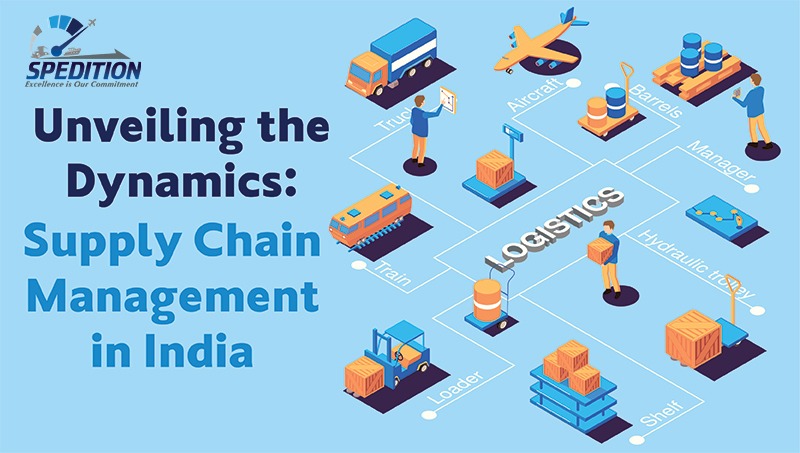
Unveiling the Dynamics: Supply Chain Management in India

Unveiling the Dynamics: Supply Chain Management in India

Introduction

Getting goods and services to flow freely across myriad industries in India constitutes a complex supply chain management network. This logistical journey is carried forward, with each step finely tuned for maximum efficiency and customer satisfaction-from the lively markets of Mumbai to the full of life ports of Chennai. Freight forwarders act as the unacknowledged conductors, masterminding this logistical symphony, as they wrestle with obstacles such as regulatory complexity and infrastructure bottlenecks.

The blog is to discover the captivating world of supply chain management in India, and it uncovers the invisible powers that make it possible, and at the same time, it provides an analysis of how innovation and technology are changing this essential industry.

Evolution of Supply Chains in India

The development of supply chains in India has moved from traditional systems into modernization and global integration. Indian supply chains were initially fragmented, relying heavily on man work with little technology in it. Globalization and technological advancement have all enhanced the transformation of supply chains in India. With modern supply chain management, efficiency, visibility, and agility have been imparted in different sectors and industries, which have created opportunities for the emergence of top 10 logistics companies in India.

Key Components of Supply Chain Management

The main elements of efficient supply chain management in India are purchasing, production, transportation, warehousing, and selling. The combination of these activities guarantees that there is no interruption in the movement of goods from their raw material stage to the final consumers.Procurement refers to the correct sourcing of materials in terms of price and quality; manufacturing means producing goods in the best possible manner; logistics involve the coordination of transportation and warehousing activities; distribution means acting upon getting goods to the customer’s doorstep on time; while retailing is concerned with merchandising the sold product to drive maximum sales.

These interconnected processes contribute to the success of Spedition India, one of the top 50 logistics companies in India and others striving for excellence in the field.

Challenges Faced in Indian Supply Chains

Despite progress, several challenges hinder seamless operations in Indian supply chains:

  • Infrastructure Constraints: Inadequate transportation networks and storage facilities impact logistics management.
  • Regulatory Barriers: These cause delays and compliance issues in operations.
  • Technology Adoption: Workforce resistance to using tools like automation and data analytics.

Such challenges are felt across key hubs like Pune, Kochi, Coimbatore, and Gurgaon, impacting the operations of even the best logistics companies in India.

Initiatives and Innovations

Several initiatives aim to overcome these challenges:

  • Government Efforts: Infrastructure upgrades and streamlined trade procedures.
  • Technological Advancements: Autonomous vehicles and AI-driven tools revolutionize operations.
  • Private Sector Innovations: Emphasis on collaboration and technology-driven solutions.

These advancements are evident in logistics companies in Pune, logistics companies in Mumbai, and beyond, showcasing how innovation is reshaping the industry.

Impact of Globalization

Globalization has changed the dynamics of foreign trade and promoted international cooperation, which has had a substantial impact on Indian supply chains. The international marketplaces foster growth for businesses beyond their respective nations nowadays. Cross-border trade has witnessed an increase with the introduction of e-commerce platforms, thus making fast and accurate supply chain solutions of utmost importance to manage international shipments.

For example, companies operating as a logistics company in Kochi or a logistics company in Gurgaon are increasingly adopting global strategies to enhance competitiveness.

Sustainability and Green Supply Chains

Sustainability is the primary consideration for almost all companies, including Spedition India, one of India’s top 50 logistics companies. This mounting environmental sentiment is coercing businesses to implement sustainable supply chain processes. Compressing carbon emissions will enhance the corporate image, helping the company to attract environmentally conscious customers.

Digital Transformation in Supply Chains

In supply chain management, the digital revolution is paving the way for inventive advancement. IoT devices enable real-time tracking and monitoring, thus enhancing supply chain visibility. Big data analytics transforms the decision-making process by giving decision-makers useful insights out of vast amounts of data. Also, block chain applications improve security and transparency in transactions between stakeholders to enhance efficiency and build trust in the supply chain.

Future Trends and Projections

The future prospects of technology and robotics are likely to transform supply-chain industry by rapid and precise operations through realization of automation and robotics. The deploying of Artificial Intelligence will be the game changer in supply chain management by advanced features which will lead to better control and forecasting of inventory. This will involve the application of predictive analytics which makes it easy for certain firms to foresee interruptions even before they happen and thus to implement timely measures aimed at boosting operational resilience.

Role of Startups and SMEs

With flexible methods catered to specific markets, startups, and SMEs are essential to bringing about disruption and innovation in the supply chain landscape. Flexibility and creativity allow smaller players to carve unique industry ecosystem positions. The ability to quickly adapt to changing market requirements makes these smaller players strong contenders for redefining traditional logistics paradigms in innovative ways that challenge established practices.

Additionally, creativity is a trait that is deeply rooted in the nature of startups and SMEs; therefore, they promote the development of new ideas. These enterprises, less constrained by tradition, are willing to take risks companies are at the forefront of challenging the existing state of logistics with disruptive innovations such as drone deliveries for last-mile logistics, AI predictive analytics, and Blockchain technology for secure and transparent with new ideas and ways of doing things that are not standard. The time and small-sized transactions.

Education and Skill Development

Education and skill development training programs are the main factors that contribute to the academic curriculums’ improvement for future supply chain professionals. To help them cope with the difficulties of supply chain management easier, students are provided with real-world case studies, industry relevant certifications, and practical experience. In the contemporary business world characterized by rapid changes, the ability to keep up with the latest trends and technologies is a prerequisite for success in such jobs as freight forwarders and logistics managers.

Supply Chain Resilience and Risk Management

 Supply chain resilience and risk management have grown into top priorities following worldwide disruptions, such as the recent pandemic. Increasingly in India, top logistics companies are paying attention to pandemic preparedness by implementing acceptable contingency planning to cover vulnerabilities in their supply chains. Agents can then mitigate risks effectively and maintain critical supplies’ continuity through agility, flexibility, and redundancy in core operations. With this proactive approach, the businesses can adjust fast to unexpected challenges and keep working through the crisis.

Collaborative Supply Chain Networks

In today’s global economy, collaborative supply chain networks have completely changed the way firms’ function. Through supplier collaboration and inter-organizational cooperation, businesses can improve efficiency, optimize workflow, and ultimately provide customers with more value.

 Freight forwarders play a key role in this interconnected web of logistics, ensuring that goods move seamlessly from suppliers to end-users. The diverse stakeholders in the supply chain ecosystem have a symbiotic relationship that fosters innovation and sustainable growth in addition to increasing responsibility and transparency.

Regulatory Frameworks and Compliance

Active engagement of businesses with regulatory frameworks and compliance standards in all necessary ways is the only way to not only satisfy legal obligations but also to consider the ethical issues that come with supply chain activities. In the first place, absolute compliance with legal norms acts as a shield against risks and losses to reputation, besides giving the company trustworthiness and thus ensuring its survival in the long run. In the present time, it is difficult to imagine business practices without being necessarily ethical, as the environment and society are no longer external factors that can be neglected. Organizations that fuse such principles into their supply chain management will be able to demonstrate that they are able to operate ethically while being in synchronization with changing regulations.

Cultural and Ethical Dimensions

At Spedition India, we always put the cultural and ethical factors first in our supply chain management and logistics operations. Celebrating diversity and inclusion is not just a goal but rather a basic part of our philosophy. A diverse workforce is a source of innovation, broadens our vision by bringing in different perspectives, and thus enhances our ability to cater to the customers’ needs. Our entire supply chain is underpinned by the highest standards of integrity and responsibility as a result of our commitment to ethical sourcing practices. When we engage with suppliers that are like-minded, we establish a network that is not only based on trust and sustainability but that also has a positive impact on our business and the communities we are part of.

Metrics and Performance Measurement

In measuring our performance, we rely on various performance indicators and key performance indicators (KPIs) applicable to logistics and supply chain management. The KPIs assist us in analyzing and optimizing aspects of our operations from managing inventories to transportation efficiencies. We strive for perfection and newness, finally corroborating against industry-level data and benchmarks. By being the frontiers in performance measurement, we ensure that quality service attitudes are instilled in clients, with considerations for cost efficiency and sustainability. Success in the logistics business, according to Spedition India, hinges on the value-adding principle of providing reliability and integrity throughout the process.

Conclusion

To sum up, all the three trends of globalization, technological progress and a shift towards sustainability are contributing quite a lot to the Indian supply chain management area. Innovations and initiatives, even though the hurdles of infrastructure limitations and regulatory barriers still exist, are still paving the way for a more efficient and stronger supply chain ecosystem. The scenario of supply chain management is quickly changing bringing in methods and practices which are compliant with the need of a vibrant global economy, ranging from the rise of cooperative networks and digital transformation to the demand for ethical sourcing.

At Spedition India, we’re dedicated to handling these challenges with dexterity, vision, and a commitment to quality. We continue to set the standard for value-added solutions delivery that promote efficiency, dependability, and integrity throughout the supply chain by embracing global competitiveness and strategic positioning.

Let’s set out on this transformative adventure together, where every obstacle is met with opportunity and each accomplishment is honored as evidence of our group’s resiliency and resolve.

0 0 Continue Reading →

Doubling India–Africa Trade & Logistics Partnerships

Doubling India–Africa Trade & Logistics Partnerships

Strengthening Connections. Enabling Growth. Moving Industries Forward.

India-Africa trade relations are likely to be one of the most exciting collaborations of the decade. Policies and trade agreements are just a small part of the story of this bubbling partnership. Furthermore, the ports, air routes, and supply chains create a real growth scenario where trade development will be easy. Per the Confederation of Indian Industry (CII), there will be a twofold increase in trade between the two areas by the year 2030, and the foremost factor in this expansion will be logistics, thus making the growth sustainable.

For companies venturing into new markets, logistics is not only transferring goods. It means extension of reliability, tardiness, and trust. At SPEDITION INDIA, we consider every shipment as an obligation – a bond that links people, industries, and chances to the other side of the border.

India–Africa: A Corridor of Opportunity

India and Africa have long been natural trade partners. In recent years, this relationship has diversified — spanning sectors such as pharmaceuticals, renewable energy, machinery, and FMCG. Indian shipments are advancing Africa’s industrial advancement, and Africa’s abundant natural assets back India’s production and power needs.

This shared expansion has forged one of the globe’s most encouraging commerce routes. However, sustaining this pace requires robust, flexible, and reliable supply chain setups. That’s where Spedition India comes in — providing integrated logistics solutions that make trade between India and Africa seamless and efficient.

SPEDITION INDIA: Enabling India & Africa Trade Seamlessly

At Spedition India, logistics means more than transportation — it’s about building lasting connections. Every shipment we move represents a business milestone for our clients. Our India–Africa trade operations combine an extensive network of air and sea routes with local expertise to ensure cargo reaches its destination safely and on time.

The logistics services we offer have specializations in:

  • Air and Sea Freight at access points like ports and airports in India and Africa.
  • Movements and Project Cargo for heavy and specialized equipment.
  • Education and Humanitarian Cargo used for children and adults learning and development of initiatives.
  • Customs Clearance, Last-Mile Delivery, and Warehousing.
  • Multimodal Transport solutions that are time and cost efficient.

Infrastructure, Technology & Trust

While commerce relies on the physical framework, successful logistics flourishes through reliance. Spedition India functions via India’s foremost entry points — Nhava Sheva, Mundra, Chennai, and Delhi — linking these hubs to vital African trading zones across the East, West, and South.

Through cutting-edge shipment monitoring, electronic paperwork, and up-to-the-minute collaboration, Spedition India guarantees total clarity. However, our dependability is not solely built on technology; it’s our personnel who truly matter. Every team member recognizes that logistics involves more than simply transporting goods; it’s about delivering assurance.

Building the Future of India–Africa Trade

The India–Africa trade route is growing faster than ever, powered by investment, collaboration, and innovation. Spedition India continues to invest in stronger partnerships and smarter logistics systems that support this growth. Our approach blends human insight with technological precision — ensuring that every delivery builds trust and strengthens global connectivity.

As both regions expand their economic footprint, Spedition India remains committed to enabling this transformation — helping businesses reach new markets, reduce complexity, and achieve sustainable global growth.

Summary

There is no doubt that the India–Africa trade partnership is among the top trade stories of the modern era. This collaboration in trade is expected to be twice as much in 2030, and Spedition India is playing a key role in this development by providing first-rate logistics solutions. Our expertise in air, sea, and project cargo services ensures smooth, secure, and on-time delivery — empowering industries across continents.

Frequently Asked Questions (FAQ)

  1. Why is the India–Africa trade corridor growing so rapidly?

It’s due to mutual complementarity: India supplies expertise in technology and production, while Africa provides raw materials and developing consumer bases. This equilibrium forms a basis for long-term progress.

  1. How does Spedition India support India–Africa logistics?

Spedition India delivers comprehensive shipping services, spanning air freight, ocean transport, and combined methods. We manage border clearances, paperwork, and secure storage to streamline international transit.

  1. What kind of cargo does Spedition India specialize in?

We manage industrial equipment, project freight, machinery, engineering commodities, educational consignments, and humanitarian assistance with the greatest attention and adherence to regulations.

  1. Which African regions does Spedition India serve?

Spedition India operates across East Africa (Kenya, Tanzania), West Africa (Ghana, Nigeria), and Southern Africa (South Africa, Mozambique).

  1. How can businesses collaborate with Spedition India?

Visit Spedition India to connect with our team, request a quotation, or explore partnership opportunities tailored to your trade needs.

About SPEDITION INDIA

SPEDITION INDIA, an acclaimed logistics and freight forwarding company operating from India, is primarily engaged in Air, Sea, and Project Cargo solutions. With an extensive network covering Asia, the Middle East, and Africa, we facilitate trade and borderless movement of goods in a risk-free manner for various sectors.

Soaked in the ethos of dependency, honesty, and customer-centricity, Spedition India merges the world’s expert knowledge with the local understanding to make supply chains smarter. The company’s vision is crystal clear — to uplift industries, delivery after delivery.

0 0 Continue Reading →

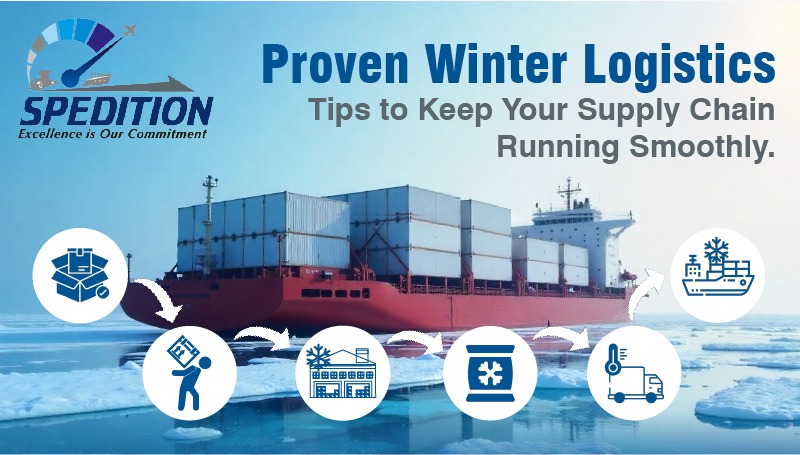
Proven Winter Logistics Tips to Keep Your Supply Chain Running Smoothly

Proven Winter Logistics Tips to Keep Your Supply Chain Running Smoothly

Introduction – When Cold Weather Tests Supply Chain Strength

Winter is pretty, but for logistics companies like Spedition India, it’s a season of obstacles. From icy roads to heavy snow and delayed deliveries, the cold months show how strong — or fragile — your supply chain can be. If you rely on fast deliveries and efficient operations to do business, winter logistics can make or break your brand.

This guide shares proven winter logistics tips and how spedition India helps you maintain operational efficiency, ensure safety, and keep your supply chain moving — even when the weather has other plans.

Understanding the Winter Logistics Challenge

Weather-Related Disruptions

Snowstorms, when they arrive, can close entire transport routes. Icy roads make driving hazardous, and thick fog impairs visibility for both air and road freight. These are the factors that will result in unsteady and uncertain holds which apply torque to the globalized supply chain. This is where Spedition India steps in and aids clients with timely delivery.

Transportation Bottlenecks and Delays

Winter brings chronic rail and port congestion. Ships can be held up because of frozen ports, and trucks face ice-choked highways. This slows the movement of goods and frequently results in inventory stockouts.

Increased Operational Costs 

More fuel, more heating, and more maintenance — winter operations are costly. Businesses spend extra on de-icing, tire replacements, and storage heating, impacting overall profit margins.

The Importance of Winter-Proofing Your Supply Chain

The best way to winter-proof your logistics isn’t merely by simply avoiding disruptions; it’s a matter of anticipating ways to stay ahead. A robust supply chain system reduces risk and customer dissatisfaction, while keeping business expenses in check even through the most extreme weather.

Fleet Maintenance – Keeping Vehicles Ready for the winter logistics 

Regular Inspections and Maintenance Checks

Cold weather affects fuel efficiency, tire pressure, and battery performance. Scheduling routine checks for tires, brakes, and heating systems keeps your vehicles winter-ready.

Essential Winter Logistics Equipment for Fleets

For each vehicle, provide snow chains, antifreeze and deicer in addition to a toolbox for emergencies. Its the small additions that make a big difference when your fleet encounters erratic winter roads.

Driver Safety and Training

Preparing Drivers for Harsh Conditions

Drivers are the engine that drives logistics. Teach them to drive in a defensive manner when there is snow or ice. Encourage the taking of rest stops, wearing of reflective clothing and checking the weather before each route.

Emergency Readiness and Communication Tools

Ensure every driver has access to real-time communication devices and GPS tracking. In case of breakdowns or road closures, dispatchers can quickly reroute or provide support.

Optimize Warehouse and Cold Storage Efficiency

Temperature and Humidity Control

Warehouse insulation in winter is extremely important. You know, if you use smart thermostats or temperature sensors or automated climate systems and don’t spoil your temperature-sensitive goods.

Worker Safety Inside Warehouses

Cool floors could also be slippery and dangerous. Offer anti-slip mats and proper lighting and heating areas where construction workers in the warehouse may slip or trip.

Using Technology for Real-Time Logistics Management

GPS Tracking and Predictive Analytics

Technology allows companies to predict and prevent problems before they occur. GPS systems and AI-based weather analytics help optimize routes and delivery schedules.

IoT Devices and Automation in Cold Chain Logistics

IoT-connected devices track the temperature and humidity of products while in transit, ensuring some level of cold chain requirements are achieved — particularly for medications and perishable food items.

Strengthening Communication and Collaboration

Supplier and Customer Coordination

In addition, strong relationships with both suppliers and customers enable greater coordination during a disruption. This allows all to prepare for potential delays by forecasting jointly.

Transparent Communication During Delays

But if delay is unavoidable, transparency is critical. First Alert: Notify your customers immediately and give updated delivery dates to continue to establish trust and reliability.

Building Supply Chain Resilience Before Winter Hits

Inventory Buffer and Backup Routes

Before winter arrives, stock up on essential goods and map out alternative routes for major delivery corridors. A small buffer can save your operations from long delays.

Strategic Partnerships with Reliable Carriers

Only work with logistics partners like Spedition India that have experience in winter logistics. Proficient carriers are best prepared to get through extreme weather without problems.

Sustainable Winter Logistics Practices in Winter

Cold weather often leads to higher fuel consumption, but sustainable logistics can change that. Use electric or hybrid fleets, optimize routes for minimal idling, and choose eco-friendly packaging materials. These practices save energy and reduce carbon emissions even in tough seasons.

Common Mistakes to Avoid in Winter Logistics

  • Ignoring early maintenance schedules.
  • Failing to plan for alternative delivery routes.
  • Poor communication with customers during delays.
  • Neglecting driver safety training.
  • Overlooking warehouse insulation and temperature control.

Avoiding these common pitfalls ensures smoother operations and fewer surprises during peak winter months.

Conclusion – Stay Prepared, Stay Reliable

Winter logistics can cut down your speed, but with the right logistics partner in way of logistics like Spedition India, one can use obstacles as an advantage. So when you put your money into fleet maintenance, driver safety and technology, you invest in keeping on-the-road time constant and customers happy.

Remember — a resilient supply chain isn’t built overnight, but with the right strategies, it can withstand any storm.

FAQs

  1. Why is winter logistics challenging for supply chains?
    Because of unpredictable weather, icy roads, and temperature-sensitive goods that require special handling. Hold hands with Spedition India and prepare to confront the challenges in a very relaxed manner.
  2. How can I keep my fleet running efficiently during winter?
    Regular maintenance, winter tires, antifreeze, and route optimization are key to preventing downtime.
  3. What role does technology play in winter logistics?
    Technology is used in tracking vehicles and predicting weather disruptions, monitoring product safety and even being aware of what a company is paying.
  4. How do companies maintain warehouse safety in winter?
    By insulating better, keeping humidity under control and with the right anti-slip flooring to avoid accidents.
  5. What’s the best way to communicate with clients during winter delays?
    Be transparent — real-time updates, updated schedules and proactive notifications build trust.

🔹 Ready to strengthen your winter logistics strategy?

Partner with Spedition India, your trusted logistics expert — ensuring smooth operations no matter how cold it gets.
📞 Contact us today and keep your supply chain moving seamlessly this winter!

0 0 Continue Reading →

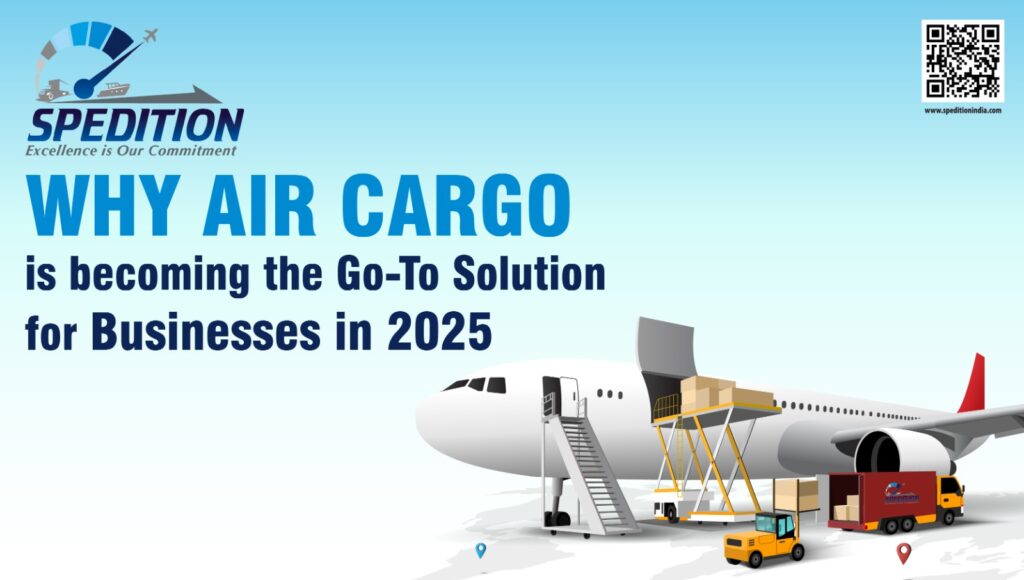
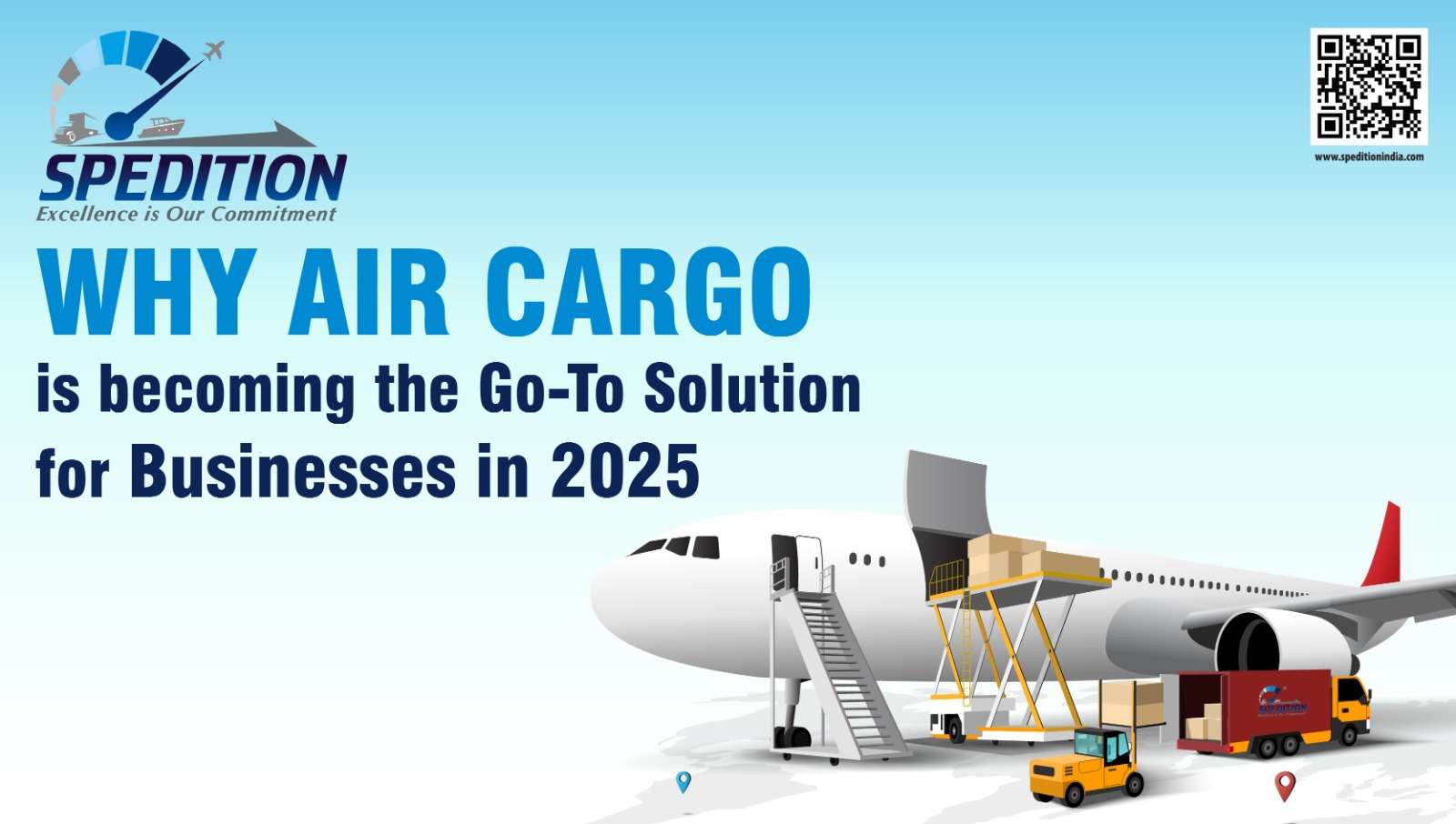
Why Air Cargo is Becoming the Go-To Solution for Businesses in 2025

Air CargoIntroduction

By 2025, in a world where fast-paced globalized enterprises has gained extreme pressure on timely delivery. The parlance of logistics solution selection is no more on the drawing board; it has become a critical perspective for survival in an environment defined by cut-throat competition. Enter air cargo, the logistics game-changer that’s redefining how businesses approach their supply chain.

Speed, precision, and visibility in logistics today are regarded as important by Spedition India. Hence, we are wholeheartedly committed to providing advanced air cargo services to help businesses accomplish the time-sensitive delivery requirements with utmost certainty and efficiency.

Speed and Time-Sensitivity: The Core Advantage of Air Cargo

The most defining advantage of air cargo logistics is its unmatched speed. When time is money, air freight becomes the preferred mode of transport for companies that cannot afford delays. Spedition India’s air cargo services are optimized for express delivery, enabling businesses to move goods across continents in a matter of hours, not weeks.

This is especially vital for:

  • Industries with tight supply chains, such as automotive or electronics.
  • Products with short life cycles, such as fashion and gadgets.
  • Perishable goods, including pharmaceuticals and food.

Reduced lead times, better inventory turnover, and increased customer satisfaction are all benefits of incorporating air freight into a business’s operations that have a direct effect on profitability.

Global Reach with Consistency

Airlines retain access to some of the most remote and sought-after international destinations on set timetables  Unlike road or sea freight, which can be affected by border delays, political disruptions, or traffic issues, air freight maintains consistency and punctuality.

Compare this to sea or land transport:

  • Sea freight can take weeks and is subject to frequent disruption because of port congestion.
  • Land freight delay due to terrain, weather, and regulations on borders.

 For example, businesses in the electronics and technology sector are increasingly employing Spedition India’s air freight services to ship finished items and valuable components from Asia to North America or Europe, guaranteeing punctual delivery timeframes.

Reliability and Reduced Risk in Air Cargo 

Additionally, it is the remarkable reliability and security offered by air cargo which would turn the air freight into a preferred option in 2025. Due to stringent security measures combined with reduced handling of cargo, the chances for damage, theft, or delay in traveling by air would be minimal as compared to other modes of transportation.

Apart from that, air freight has its improved tracking features and enables its users to monitor their consignments in real time. At Spedition India, we have also availed ourselves of real-time tracking systems and AI-enabled monitoring devices at every travel stage. This level of transparency promotes confidence and reliability, especially in the case of expensive or delicate commodities.

Case Studies: Industries Embracing Air Cargo in 2025

Many industries are rapidly turning to air cargo logistics as their primary delivery channel. Let’s look at how different sectors are benefiting from Spedition India’s customized air freight solutions:

  • Pharmaceutical Sector: With increasing global demand for time-critical vaccine and medicine deliveries, air cargo provides the temperature-controlled, rapid transport essential for patient safety.
  • Fashion and Retail: Trend-driven retailers rely on air freight to restock fast-moving items across global outlets—keeping shelves full and customers satisfied.
  • Automotive Industry: One little component delay has the potential to stop a whole production line. To guarantee smooth operations, large manufacturers rely on Spedition India’s urgent parts delivery service.

Customized air cargo tactics that guarantee accuracy, timeliness, and performance are advantageous to each of these industries.

Technology Enhancing the Air Cargo Experience

The air cargo industry is no longer just about speed—it’s about smart logistics. In 2025, technology is transforming every touchpoint of air freight, making it more efficient, responsive, and transparent.

  • AI and IoT are enabling predictive maintenance, smart routing, and real-time cargo updates.
  • Automation is reducing manual errors in booking, cargo handling, and documentation.
  • Cloud-based platforms are simplifying booking, customs processing, and compliance management.

At Spedition India, we’ve invested heavily in next-gen technologies to offer seamless digital experiences. From automated cargo tracking to paperless billing, our solutions are designed to make air freight logistics smooth, scalable, and future-ready.

Sustainability Air cargo Logistics

A common misconception is that air cargo is inherently eco-unfriendly. While air transport does have a higher carbon footprint per unit than sea freight, the industry is rapidly evolving with green logistics initiatives.

Some emerging solutions include:

  • Electric aircraft and drones for regional cargo.
  • Biofuel usage in cargo planes.
  • Carbon offset programs to neutralize emissions.

At Spedition India, we believe in combining speed with sustainability. Our logistics programs are improving to reduce environmental impact without compromising delivery timelines. We also guide clients in choosing eco-smart routes and consolidated shipments to minimize emissions per package.

Scalability and Flexibility for Modern Businesses

Whether you’re a startup shipping product samples or a global enterprise managing bulk exports, air cargo offers unmatched flexibility. From small parcels to large-scale shipments, air freight adapts to your needs.

Spedition India’s air cargo services include:

  • Express air freight for next-day delivery.
  • Priority services for high-urgency shipments.
  • Consolidated cargo solutions for cost-effective delivery without compromising speed.

Our modular approach makes air freight accessible, affordable, and adaptable—regardless of your business size or shipment volume.

Conclusion

Air freight is undoubtedly becoming the most practical logistics option for companies that value speed, accuracy, and worldwide reach as 2025 draws to a close. Air Cargo is now a need rather than a luxury due to short delivery windows, changing market needs, and growing customer expectations.

But having a logistics partner that can provide responsive, tailored solutions and who understands your particular needs is what really makes a difference. Spedition India can help with that.

We provide smart, scalable, and sustainable logistics services that will give your company the competitive edge it needs in 2025 and beyond, in addition to air freight.

Choose Spedition India—your go-to air cargo partner for the future.

0 0 Continue Reading →

Best Practices for Safe Loading and Unloading of General Cargo

general cargo

In the logistics industry, safety is a must-have phenomenon as far as general cargo handling is concerned. The same goes for cartons, crates, and heavy machinery. Everything must be moved with care, ensuring zero damage and ideal efficiency. Loading and unloading processes are often the most vulnerable point in the supply chain when it comes to businesses working with different types of freight.

At Spedition India, one of the top logistics companies in India we understand the challenges involved in general cargo logistics and prioritize safety as a core part of our operations. This blog tells the best practices for safe loading and unloading of general cargo—offering practical insights for logistics professionals to avoid delays, accidents, and losses.

Introduction

A broad variety of goods, packaged units like boxes, machines, crates, barrels, or palletized items, are carried as general cargo in discrete loads as opposed to bulk.

Loading and unloading are all very critical processes for any cargo operation. A single mistake can cause losses because of spoilt goods but also because of injuries and legal entanglements. This is why the objective of this manual is to document proven best practices of safe loading and unloading, which avoids and ensures the smooth flow of processes from an operation’s perspective.

Understanding General Cargo Handling

General cargo differs significantly from bulk or liquid cargo due to its unitized format. It demands proper coordination, equipment, and attention to detail.

Examples of general cargo:

  • Boxes and cartons
  • Industrial machinery
  • Palletized consumer goods
  • Fragile electronics
  • Crates and barrels

Common risks in improper handling:

  • Personal injuries to dockworkers
  • Goods damage leading to losses or claims
  • Load imbalance during transit
  • Project delays or customer dissatisfaction

Learn more about how Spedition India manages cargo handling with precision and care.

Pre-Loading Preparations for General Cargo

Before loading begins, it’s essential to prepare both the cargo and the environment.

  1. Cargo Inspection

Ensure all items are checked for damages, confirmed for weight, and cross-verified against shipping instructions.

  1. Packaging & Labelling

Use reliable, high-quality packaging. Put clear handling guidelines, destination details, and any appropriate hazard warnings on the label of every item.

  1. Equipment Readiness

Inspect forklifts, cranes, dollies, and pallets. Equipment failure during operations can lead to costly interruptions.

  1. Staff Training

Personnel must undergo training on emergency responses, safety precautions, and handling procedures. At Spedition India, we keep our professionals up to date on the newest techniques and standards in the business.

Best Practices for Safe Loading of General Cargo

  1. Weight Distribution

Load the cargo evenly to avoid imbalance during transportation. Incorrect weight distribution can cause vehicle rollover or damage.

  1. Use of Lashing and Securing Devices

Tie down cargo using ropes, straps, or nets to keep it stable. Special securing is essential for irregular-shaped or heavy items.

  1. Stacking Guidelines

Follow proper stacking protocols—avoid overstacking, stack heavy items at the bottom, and leave clearance where necessary.

  1. Weather Considerations

Cover cargo with waterproof sheets during extreme weather and ensure a dry loading area. Wet surfaces can cause slips or cargo instability.

Are you looking for assistance with safe and professional cargo loading? Spedition India’s general logistics services ensure safe handling across all categories.

Best Practices for Safe Unloading of General Cargo

  1. Area Clearance

Clear the unloading zone of all unnecessary personnel and objects to minimize hazards.

  1. Communication

Maintain clear coordination between forklift operators, truck drivers, and floor supervisors. Use radios or hand signals for instant alerts.

  1. Gradual Unloading

Avoid hasty movements. Unload one section at a time and be cautious while handling fragile or heavy loads.

  1. Inspection Post-Unloading

Immediately inspect goods for any signs of damage or tampering- Document issues for claims or internal reviews.

Safety Equipment and Technology for General Cargo

To boost safety and efficiency, use appropriate safety gear and innovative tools:

Protective Gear

Helmets, safety shoes, gloves, and high-visibility jackets are mandatory for all handling personnel.

 Automation Tools

Adopt pallet jacks, hydraulic lifts, and cargo trolleys to reduce reliance on manual labour.

Monitoring Systems

Use real-time sensors, load trackers, and digital logs to monitor cargo movement and environmental factors.

Common Mistakes to Avoid

Despite best intentions, some common missteps can lead to major issues:

  • Over-reliance on manual labour without equipment
  • Ignoring load and weight limits
  • Skipping routine machinery checks
  • Rushing the process to save time
  • Poor communication across the team

Avoiding these mistakes is key to a safer and more streamlined cargo operation.

Conclusion

Effective logistics operations depend on safe loading and unloading. Every stage requires meticulous attention to detail, appropriate training, and the necessary tools, from planning and preparation to real-time execution. Putting safety first not only protects your products but also increases your overall dependability and efficiency.

At Spedition India, one of the top logistics companies in India, we are committed to delivering safe, professional, and end-to-end general cargo logistics services. We don’t just move goods—we move them responsibly.

Join the Conversation

Have questions or safety tips of your own?
Comment below or connect with us on our social handles:

Instagram

Facebook

LinkedIn

Twitter/X

Useful Links


0 0 Continue Reading →

Reducing Logistics Costs: Strategies for Smarter Resource Management

Logistics is one of the primary and core activities of supply chain management and must be performed efficiently in the context of increasing global competition.

Efficiency is one of the core challenges of almost every modern business out there. Fuel cost increases, supply chain interruptions and the ever-increasing amount

of competitors have become a necessity CHECK for a logistics company.

logistics companies in India

Efficient logistics resource management requires a certain degree of strategic planning. Transportation and warehouse management and even technology

use can all be improved to increase profitability. Cost Effective logistics combines all methods and techniques regardless of air freight, ocean freight

or sea freight necessities. This blog highlights key areas that can significantly benefit logistics businesses in India and beyond.

Optimizing Transportation Costs

Route Optimization

Considered one of the most expensive logistical component, transportation costs make up a substantial portion of overall operational costs.

Companies can reduce cost by utilizing AI-enabled route optimization and GPS Tracking systems. Identify peak times and optimize routes to reduce

fuel usage and delivery delays. Improve route efficiency and smart delivery to lower operational costs.

Also Read this : A Complete Guide to the Growing importance of Event Logistics in India

Consolidated Shipments

By merging shipments, one can maximize vehicle utilization and lessen the transportation costs. Freight forwarders based in India

like those in Bangalore and Pune have the ability to merge several shipments going to the same location. This, in turn, helps in reducing the

number of trips needed, saving fuel and reducing costs related to labour,  thus making the entire process cheaper.

Fuel Management Strategies

Fuel costs are one of the biggest expenses for logistics companies. Adopting fuel-efficient vehicles, telematics and driver training programs

can help businesses cut fuel consumption. Moreover, with the help of real-time fuel monitoring systems, businesses can track usage patterns and even identify cost-saving measures.


Warehouse and Inventory Optimization

Strategic Warehouse Placement

Logistics costs can be EXORBITANT for any business if the right placement of warehouses is ignored. By locating them strategically close to

the area of demand, businesses can reduce the costs as well as the delivery time. There is a growing trend in multi-location warehousing

that is observed with logistics companies in India which is meant to fulfil the need of greater efficiency within the supply chain management.

Automation & Robotics

Logistics and warehousing automation are expending modern requirements towards service delivery. The use of robotic pickers along with

conveyors and AI to monitor stock levels improves the speed and accuracy of order fulfilment while reducing labour costs.

The top 10 logistics companies in India are deploying intelligent storage and retrieval systems to enhance operational efficiency.

Inventory Forecasting

Poor inventory management leads to unnecessary holding costs and stock outs. By using AI-powered demand forecasting tools,

logistics businesses can predict inventory needs accurately, prevent overstocking and minimize storage costs.

Freight forwarding companies in India can benefit significantly from data-driven inventory planning.


Leveraging Technology for Cost Efficiency

Transportation Management Systems (TMS)

A Transportation Management System (TMS) offers logistics businesses a solution for managing their freight operations with maximum efficiency.

With TMS, businesses can plan their routes, track shipments and analyse costs resulting in optimized freight forwarding and cost savings.

Top 50 logistics companies in India have adopted TMS to manage their transportation systems more effectively.

IoT and Real-Time Tracking

Devices that are IoT-enabled; permit tracking a shipment in real time which can help decrease losses, stop theft and improve transparency.

Companies with the ability to track real-time will be able to improve the efficiency of their supply chains alongwith customer satisfaction.

Cloud-Based Logistics Platforms

The top logistics companies in India are adopting cloud-enabled solutions as a way of cutting down on IT infrastructure expenses

and improving their logistics planning. Automation, data management and collaboration tools are some of the many things these

Cloud-based technologies offer that have eased the adoption of effective strategic logistics planning.

Reducing Labour and Administrative Costs

Workforce Optimization

Cross-training employees and implementing flexible work schedules can reduce labour costs while maintaining productivity. Logistics businesses

can improve workforce efficiency by adopting automation in repetitive tasks and minimizing manual handling.

Process Automation

Operational productivity is enhanced with the use of AI-powered logistics software with less paperwork and reduced chances of human error.

Customer satisfaction can be heightened with lower costs through automation in invoicing, order processing and chatbots for customer service.

Third-Party Logistics (3PL) Partnerships

Outsourcing logistics functions to specialized Third-Party Logistics (3PL) providers can help businesses save costs on warehousing,

transportation and inventory management. Many freight forwarding companies in Bangalore partner with 3PL providers to enhance

operational efficiency and scalability.


Sustainable Logistics for Long-Term Savings

Green Supply Chain Practices

The implementation of electric powered trucks and the use of renewable sources of energy alongwith biodegradable packaging contributes to the increased

reputation of the Logistics Company and businesses, improving sustainability while reducing the long term operational expenses.

Reverse Logistics Optimization

Handling product returns efficiently is crucial for reducing waste and costs. Businesses can implement AI-driven return management systems to

optimize the reverse logistics process. Top logistics companies in India are investing in sustainable return policies to minimize financial losses.

Carbon Footprint Reduction Initiatives

Reducing the carbon footprint of specific companies entails receiving government perks and tax refund benefits. Solar-powered warehouses,

environmentally friendly shipping materials and fuel-efficient modes of transport are other areas where such companies can cut costs and ultimately contribute.

to making the planet greener.

Negotiating Better Vendor & Carrier Contracts

Strategic Partnerships

Having a premium partnership with freight carriers, suppliers and logistic provider’s means THAT a business avails preferential pricing which assures

best quality. In India, being the best logistics company we specialize in forming strategic alliances to help our clients obtain the most economical offers.

Freight Rate Benchmarking

Regularly comparing freight rates and service quality among multiple vendors helps logistics businesses ensure cost efficiency.

Freight forwarders in India can use data-driven analytics to assess market rates and negotiate better contracts.

Dynamic Pricing Strategies

Leveraging data analytics and AI-driven pricing models can help logistics companies adjust pricing strategies based on market demand,

fuel price and shipment volume? This ensures flexibility and cost savings in freight operations.


Conclusion

Reducing logistics costs is essential for maintaining profitability in today’s competitive market. Businesses must focus on transportation optimization,

warehouse efficiency, technology integration and sustainable logistics practices to achieve cost-effective resource management.

Business automation, route planning with the help of AI technology, the use of the cloud for logistics and even negotiating with vendors can allow companies

to boost productivity, trim expenses and raise client satisfaction levels.

Logistics companies in India, Bangalore, Pune and the surrounding areas need to keep track of popular trends and adjust to new supply chain

problems to be competitive within the industry. These guidance strategies will assist logistics companies to DRIFT successfully in the fast paced marketplace for a prolonged period.

0 0 Continue Reading →
devnergy