Skip to Content

Category Archives: Blogs

How to Ship Exhibition Materials from India to the USA: A Spedition Logistics Guide

How to Ship Exhibition Materials from India to the USA: A Spedition Logistics Guide

Transporting exhibition materials from India to the USA represents a multi-layered logistical challenge. Event exhibitors, trade show participants, and exporters alike face a tight timeline and fragile assets, where a single lapse can eclipse months of preparation. Customs clearance, transit timing, and the risk of physical damage heighten the pressure: a late delivery or a breakage not only inflates costs but also jeopardizes brand reputation and potential investment.

At Spedition, we recognize that the consequences of error are borne by the brand that f

ootsteps into a hall or booth. Our expertise is rooted in the conviction that precision logistics can convert risk into opportunity. This guide delineates every phase of the shipment cycle, from initial planning through to the booth—mechanising best practices and compliance into a single, transparent workflow that guarantees delivery in pristine condition and on the advertised schedule.  

Logistics of this nature transcends standard freight forwarding. Customs regimes, cargo documentation, temporary import regulations, and insurance valuation are not mere check-box exercises; they are tactical levers the moment a timeline tightens. The imperative is to integrate them into the transport plan long before the loading dock. The following sections will detail the procedural, documentary, and contingency measures that, when applied decisively, turn a shipment into a competitive advantage.

International trade show logistics encompass several critical factors:  

  • Rigid timelines (trade events will proceed regardless of delayed freight)  
  • Intricate customs procedures (any lapse in documentation translates to hold-ups)  
  • Exhibit-specific stipulations (certain venues mandate narrow delivery time slots)  
  • High-value, delicate merchandise (the likelihood of damage during handling is elevated)  

A logistics lapse at any stage can translate to severe financial repercussions and the forfeiture of marketing exposure. Engaging a seasoned logistics provider such as Spedition mitigates these risks, assuring that your exhibits transit reliably from India to the United States.  

Comprehensive Roadmap for Transporting Exhibition M

aterials to the USA  

  1. Advance Coordination: Initiate 2-3 Months Ahead

Effective shipment planning commences several months before the exhibition. Essential actions include:  

– Inventory Audit: Catalogue every component (display frames, electronics, marketing samples).  

– Venue Guidelines: Review the exhibition centre’s delivery mandates (dock access, rigging timeframes).  

Transport Mode Decision: Choose air freight (speed) or sea freight (economy).  

Insider Advice: Rely on air freight for late-in shipments; opt for sea freight when handling heavier, non-critical materials.

  1. Documentation & Customs Compliance  

U.S. customs enforcement is rigorous; absent documentation can idly stall your consignment. The cornerstone papers comprise:  

– Commercial Invoice (comprehensive description and assessed value of goods)  

– Packing List (exhaustive enumeration including net weight and dimensions)  

– ATA Carnet (if relevant, for temporary importation, deferring duty liabilities)  

– Bill of Lading (BOL) or Air Waybill (AWB) (contractual agreement with the transporter)  

Spedition Advantage: Our customs specialists meticulously process the documentati

on, safeguarding uninterrupted clearance. 

  1. Air Vs Sea Freight

Criteria Air Freight  Sea Freight 
Transit    3–7 days  20–35 days 
Cost   Premium     Economical  
Ideal  Critical, lightweight cargo Heavier, non-urgent consignments

Unsure of the optimal option? Investigate Spedition’s Air Freight Services or Sea Freight Solutions.

  1. Shipment Monitoring & Final Delivery to the Expo Venue

Continual tracking is imperative. Spedition affords:  

✔ Live status notifications  

✔ Storage and last-mile distribution (direct to the exhibition hall)  

✔ On-site assistance (orchestrating venue-specific logistics)  

How Spedition Streamlines Exhibition Logistics  

We orchestrate the entire logistics continuum:

Transporting exhibition cargo to the United States can remain straightforward. Thoughtful preparation, the optimal transport mode, and an experienced freight partner free your team to concentrate on the presentation rather than the logistics.

Seeking a frictionless shipping route?

Reach Spedition for a tailored logistics blueprint:
➡️ Request a Quotation Today
Or dive into our Event Logistics Services for comprehensive shipping management.
Your exhibit merits a flawless transit—allow Spedition to oversee the details.

0 0 Continue Reading →

How will Supply Chain Management look in 2025? A Comprehensive Overview For Today’s Companies

How will Supply Chain Management look in 2025? A Comprehensive Overview For Today’s Companies<

As it stands, logistics and supply chains are not simply about moving goods from one point to another. They are complex systems that govern the movement of information as well as products. Although much remains uncertain about the global landscape in the next few years, companies are expected to navigate intensified competition, regulatory costs, geopolitical uncertainties, and rampant inflation. Businesses, from startups to major corporations, will need to set up flexible and resilient systems to weather these challenges. Understanding the intricacies of modern supply chains will unlock cost savings, better decision-making, and improved customer satisfaction. With all this in mind, we can optimistically say that supply chain management (SCM) will be an area of focus.

By 2025, automation and technological advancements will achieve significant growth within SCM due to its focus on integrating customer satisfaction and technological innovation. Automation and a digitally driven ecosystem will make SCM processes smoother and require minimal manual intervention.

From a tactical perspective, intelligent SCM adoption has never been more important given the backdrop of global shipping lags, changing consumer dynamics, and new technology paradigms.

Key Components of Supply Chain Management

The New Norm: Complete Visibility

At any point during transit, customers and companies expect full visibility and transparency into the logistics chain. Monitoring and tracking goods has become easier with technology. Business understanding of AI’s abilities for inventory control issues, supply chain forecasting, and other problems vital to long-term planning helps to make indispensable decisions swift and timely. AI makes it easier compared to outdated methods of number crunching.

Companies are now able to provide cost effective and timely shipping services by combining air, sea, and land transport. Mix modal transport increases logistic strategies effectiveness.

Businesses must now have backup freight options, multiple suppliers, and smarter routes due to lack of surprises.

Companies can no longer focus solely on speed; swift delivery paired with eco-friendly tactics is equally as important. Companies are making smarter choices through greener fuel-saving routes that take care of the planet while growing business.

Rationale for Prioritizing SCM in Businesses On 2025

No one can doubt the importance of a well functioning supply chain within a business for cost reduction, customer satisfaction and growth. The negative impacts of delays and shortages on a business’s reputation cannot be ignored. However, with proper planning, it is possible to remain competitive and position a business for future growth. A multi-company supply chain that is agile to changing market conditions and uncertainties can benefit e-commerce manufacturing, and healthcare industries.

Conclusion

In 2025, SCM will evolve from the simple movement of tangible goods to constructing advanced intelligent systems for logistics that integrate into SCM with value addition to business. For businesses aiming to achieve global presence, lower operational costs, and efficiency in delivery, automation of supply chains is vital.

Learn how Spedition supports your supply chain needs and challenges:

Air Freight Solutions – Timely and reliable shipping for urgent parcels.
Sea Freight Services – Economical solutions for large volume shipments.
Multimodal Freight – Ideal blend of speed and affordability.

Strategizing smarter logistics systems starts with a conversation.

📞 Contact us today!

0 0 Continue Reading →

Global Event Logistics: Delivering On Time for Your International Events

Global Event Logistics: Delivering On Time for Your International Events

Importance of Timely Deliveries in Global Events


A global event, say a trade exhibition in Dubai, a product launch in London, or a cultural extravaganza in Tokyo needs not just meticulous planning but seamless execution as well. Each and every component must reach on the dot to ensure flawless progression. A single shipment that arrives late has the potential to cause catastrophic damage, throwing the entire timeline of the event into chaos, which impacts setup timelines, vendor coordination, and guest experience as well.

With the complex layers of supply chain logistics, global event logistics for events are often time sensitive, and operate under stringent timelines. Be it shipping AV equipment, decor orders, or any promotional materials, everything has to be executed with extreme precision. Any delay would result in ballooning operational costs, tarnished reputation, and the worst kind of mad rush to scramble for any last-minute cover-ups.

Missing international deliveries impacts the brand image and reputation, while getting them done on time sends a very clear message about the reliability and professionalism of the brand. Timely and complete material deliveries facilitate setup, proper testing, and flawless execution. On another hand, failing to make deadlines can lead to half-empty stages, booth vacancies, or the dreaded scenario of event cancellation. The bottom line is that meeting critical deadlines is central to achieving success.

Challenges in Cross-Border Logistics


Cross-border logistics is not the same as domestic shipping, although some elements might be similar. That’s because every country has its own customs for documentation and transportation regulations, languages, and time zones. Weather conditions, political issues, and strikes can result in a whole array of additional problems.

For a cross-border package shipment, recourse is very limited when something goes wrong like a delay. Unlike domestic deliveries, you can’t just hop into a van and pick up a late package yourself. It does not matter if the package is trapped in customs or if the airline and transport systems get stuck somewhere, it’ll always be too late to do anything. This makes proactive planning, constant monitoring, and reliable logistics partners for international events not just helpful—but essential.

Understanding the Stakes

How Delays Can Derail Global Events

Imagine you’re hosting a major product launch overseas. All your branding assets—banners, brochures, demo units—are en route. But due to a customs hiccup, they’re stuck in a warehouse two cities away. What now?

Delays like this don’t just disrupt timelines—they sabotage the event’s impact. Setup crews can’t start on time. Sponsors might pull out. Attendees might arrive to find half-baked arrangements. These problems cascade, creating stress for staff, ruining brand perception, and potentially costing hundreds of thousands of dollars.

For live events like concerts or global summits, the stakes are even higher. Equipment like lighting rigs, sound systems, and staging must arrive with time to spare. A delay of even a few hours can mean missed rehearsals, cancelled sessions, or unsafe working conditions.

Real-World Consequences of Missed Delivery Windows

The event world is full of horror stories caused by poor international event shipping. Companies have lost millions due to shipments arriving late or going missing. Some end up paying exorbitant rush fees to fly replacement items across the world. Others have seen entire booths or installations fail because critical pieces didn’t make it in time.

And it’s not just a financial hit—it’s a reputational one too. In the age of social media, a failed event can quickly become viral, damaging brand trust globally. One high-profile example: a global car brand that failed to launch a flagship vehicle at an auto show because the car was stuck at customs. Their rivals swooped in, stealing both media attention and customer interest.

Bottom line? Late deliveries don’t just mess with your schedule—they mess with your credibility. That’s why timely delivery solutions are more than a best practice—they’re your lifeline.

Planning with Precision

Setting Realistic Timelines

When it comes to deadline-driven logistics strategies, wishful thinking is your worst enemy. Many event planners underestimate how long customs processing, international flights, and last-mile deliveries can take. The key is to be realistic—not optimistic—about your timelines.

Start by working backward from your event date. Build in time for delays, inspections, and setup. Instead of cutting it close, aim for your deliveries to arrive several days early. That way, if something goes wrong, you have time to troubleshoot.

Don’t forget to consider holidays, weekends, and regional working hours. What’s a regular business day in your country could be a national holiday elsewhere, slowing down customs or courier services.

Use event logistics coordination across countries as a framework to sync up with all stakeholders. This ensures no part of the chain is operating in isolation. A missed connection between your shipping schedule and the venue’s access window can throw everything off balance.

Collaborating with Event Planners and Logistics Teams

Effective logistics planning isn’t a solo mission. It requires collaboration across departments and borders. Event planners need to sync with logistics teams to understand shipping schedules, customs requirements, and delivery procedures.

Hold joint planning meetings weeks—or even months—in advance. Create a master logistics calendar that includes shipping milestones, customs deadlines, and contingency dates. Use cloud-based project management tools like Trello, Asana, or Monday.com to keep everyone aligned and up-to-date.

And don’t forget vendors. If you’re working with international suppliers for event decor or merchandise, loop them into the planning process. Ask for early production timelines, shipping updates, and buffer periods in case of production delays.

This type of integrated approach helps develop event supply chain solutions that are resilient and flexible enough to handle hiccups along the way.

Choosing the Right Logistics Partner

Qualities to Look for in International Shipping Companies

All logistics providers are not created equal. When selecting a partner for freight services for global exhibitions, look for companies that offer:
Global Reach
Proven Experience
Customs Expertise
Tracking Technology
24/7 Customer Support

Navigating Customs and Regulations

Understanding Import/Export Regulations

Each country has its own maze of customs regulations, and they change often. From product classification codes to duty fees and restricted items, the list of rules can be overwhelming.

Do your homework on the destination country. Understand their import requirements for the items you’re shipping—especially electronics, promotional materials, or food/beverage products. Check if you need temporary import permits or carnets for event equipment, or special documentation for high-value items.

Preparing Documentation Ahead of Time

The more prepared you are, the smoother your customs process will be.

Work closely with your logistics provider to ensure all documents are completed accurately. Even a typo or misclassified product can trigger a delay.

Bonus tip? Send electronic copies of all documents to the customs broker or receiving party ahead of the shipment’s arrival. This allows pre-clearance and reduces the risk of last-minute hiccups.

Being prepared with your documentation is key to just-in-time delivery logistics, helping your event stay perfectly on schedule.

Conclusion

In the fast-paced world of global events, where every second counts and every detail matters, timely international deliveries are more than just a logistical necessity—they’re the backbone of your success.

From the moment you begin planning to the final delivery at your event site, being deadline-driven ensures that nothing is left to chance. A single delay can unravel months of preparation, affecting not just the event’s logistics, but its credibility, reputation, and bottom line.

But the good news? With the right strategies, these challenges are entirely manageable.

By understanding the stakes involved, setting realistic timelines, choosing experienced logistics partners, and mastering customs and documentation, you can transform a daunting process into a streamlined operation.

So whether you’re shipping stage equipment to São Paulo or promotional kits to Paris, remember: success favors the prepared. Stay deadline-driven, partner wisely, and keep your eyes on the details. Your next global event logistics challenge doesn’t just deserve to be good—it deserves to be flawlessly on time.

0 0 Continue Reading →

Air or Sea Freight? How Spedition Delivers Flexible, Global Freight Solutions

Infographic comparing air freight vs. sea shipping with pros and cons: Air freight offers fast speed, simple cost structure, and urgent delivery but has limited volume. Sea shipping is slower but more economical for bulk shipments with high volume capacity. Text reads ‘SPEDITION’ at the top.

Air or Sea Freight? How Spedition Delivers Flexible, Global Freight Solutions

International shipping and logistics has developed as one of the leading sectors of the economy. So as seaborne transport of goods expanded internationally air transport became indispensable for business activities done globally. Like every other firm in the country you probably did encounter questions like: 

Should we ship it through cargo/jumbo jets or by boats?

It resembles simple queries but in cases of tight cargo schedules, delicate items, workload, or budget numbers the answer is not straightforward. This is how we begin to assist our clients.

At Spedition, we don’t only offer transportation but instead offer to provide the most cost-effective convenience routing. Depending on whether the business requirement is timely completion of work, funds maximization, reliability, trust for shipment and many others, with the right balance, we are available to assist.

Having more than 15 years of working experience in Transborder freight for goods and other logistics in different fields with more than 1000 successfully managed projects covered, we supported various companies relocate their goods without worries.


✈️ When Time Matters: Air Freight.

Our air freight services are built for speed, reliability, and peace of mind. If you’re facing a tight deadline or moving something critical, our team is ready to help you move it — fast. From takeoff to touchdown, we’ve got it covered.

What we provide with air freight:  

  1. Our air freight services guarantee fast delivery and safe transport.
  2. We provide complete international transportation through the best shipping companies.  
  3. Special attention for urgent, expensive, or delicate cargo.  
  4. Complete customs paperwork and clearance.  
  5. Communication and tracking updates throughout the process.  
  6. You can focus on your business while we take the pressure off maintaining urgent deadlines.  

🚢 When Volume & Budget Matter: Sea Freight

When your cargo is large, heavy, or less urgent, sea freight often makes more sense — and more savings.

We understand that international shipping can feel overwhelming, but our team makes it straightforward. With our comprehensive sea freight services, we handle everything — so you don’t have to.

If you’re shipping in bulk or working with heavy cargo and want to stay on budget, our ocean freight services are designed to simplify the process and reduce costs.

What we provide with sea freight:

  1. Shipment types ranging from Full Container Loads (FCL) to Less-than-Container Loads (LCL).  
  2. Pickup, packaging, deliver to designated port, and final destination delivery.  
  3. Well-organized storage and logistics at each step.  
  4. Cutting-edge knowledge of cross border customs and compliances.  
  5. We have moved cargo for clients across oceans from Asia to Europe and the Americas. We do it efficiently, within budget, and on schedule every time.

🚚 When Time and Budget Are Both Tight: Go Multimodal

We get it — sometimes neither air nor sea freight alone fits your needs.
Maybe the budget doesn’t allow full air freight, but the timeline feels too tight for sea. That’s when multimodal logistics becomes the perfect solution.

At Spedition, we create smart, flexible shipping routes that blend air, sea, and land transport to give you the best of both speed and cost-efficiency.

Explore our multimodal services here if you’re trying to strike the right balance between quick delivery and staying within budget — without juggling multiple providers.

Reasons why multimodal can work best:

– Transit times are shorter compared to sea freight only.

– Costs are more economical than fully air freight

– tailor made a balanced approach based on schedule and cargo.

– No pass-off or miscommunication due to single team coordination

From shipment of exhibition cargo from India to Germany, managing an elaborate multi-country project, we will enable you smarter and not harder. 


👥 Why Businesses Continue to Choose Spedition 

A freight company, no. We are a logistics partner who will listen, adapt, and most importantly, deliver.

Here’s what sets us apart:

✅ Understanding Your Logistics Needs

We focus on your specific answers in the logistics area. It can be: What are you shipping? What is the cargo sensitivity? Why is cargo timing important?

✅ Adaptability is Our Middle Name

Switching from air to sea mid way? You need flexibility? We focus on your changing priorities.

 ✅  Global Covering Partner

International airlines, shipping lines, customs brokers, and warehouses are at your availability 24/7 and we trust you because we have spent years building those strong relationships.

✅  Transparency in Business

Trust us to give you truth in updates. Our focused structured set for updates simplifies everything for you with no surprise charges.


🚚  Clients Overview and What We Offer.  

We have spent time working with almost all industries including registered startups and multi nationals such as:

  • Live and Exhibition Events.
  • Heavy machinery and engineering.
  • Automotive parts and retail.
  • Healthcare and pharmaceuticals.

We provide freight support where it’s needed, and clearly plot your routes with you for cost efficient reliability from the first point to the last.


✉️ Is Your Shipment Ready to Ship Smarter?  

Wondering if you should choose air, sea, or a mix of both as transport options?

Starting a new venture and struggling to figure out the initial steps?

That’s where we come in.

With Spedition, you can confidently and carefully handle your freight from your initial inquiry to the final delivery. Spedition helps you navigate freight decisions with clarity, confidence, and care.

📞 Let’s talk logistics or explore more at  

🌐 www.spedition.in; Content Us

Let’s partner together and start moving your business forward.

0 0 Continue Reading →

Logistics 101: Understanding the Basics of Freight Management

A woman working on a computer displaying a global logistics map with icons of trucks, ships, and planes. The screen also shows the Spedition logo and the title "Logistics 101: Understanding the Basics of Freight Management."

Logistics 101: Understanding the Basics of Freight Management

Freight management is an essential segment of the logistics industry concerned with orchestrating and transporting commodities across the territory.

Freight management ensures that products get to the consumer in an efficient, cost-effective and timely order. The definition implies that freight management incorporates management of the different aspects involved in movement, from the origins to the destinations associated with the commodities, making sure about constraints, both time and cost, always.

Companies like Spedition India manage freight efficiently as a necessity for their functional operations, as a direct link will exist between freight management and the quotient of customer service standards, organizational effectiveness and prevailing profit margins. Logistics processes enable the competitive industry to gain that cutting edge over the competition through time and cost optimization.

The Fundamentals of Freight Management

What Does Freight Management Involve?

Freight management relates to the complete planning, executing, and controlling of the transport and delivery of goods.  It involves:

  • Coordination of Shipping: Ensuring goods transported from point A are carried to another point without impediments.
  • Transport Selection: Selecting the best mode of transport-road, air, sea or rail-for shipping the goods depending on cost, distance and time availability.
  • Delivery Methods: Coordinating the incoming and outgoing shipments of a business as well as the handling, packing, and delivery of goods.

Types of Freight

Understanding the different types of freight is essential to managing logistics efficiently. The most common forms include:

  • Ground Freight: The most widely used mode of transportation, especially for short to medium distances. Trucks and transport vehicles are ideal for smaller shipments that need to reach their destination quickly.
  • Air Freight: This fast delivery method is ideal for high-priority goods, such as electronics, perishable items, and urgent documents. Air freight provides faster service but at a higher cost.
  • Sea Freight: Goods are shipped in large quantities through sea freight, or in other terms, ocean freight. It is applied for bulk shipments by trucks or buses which travel across borders. Sea freight is one of the most important means of commerce internationally for businesses, and it is applicable for a huge quantity or heavy cargo.
  • Rail Transportation: Rail freight can also transport large volumes of goods over long distances on land. It is usually more cost-effective than road freight for bigger shipments but takes more time.

Key Players in Freight Management

  • Freight Forwarders: Freight Forwarders coordinate the movement of shipments to the final destination with different carriers. They act as a go-between for the shipper and the carrier.
  • Third Party Logistics Providers: Full 3PL provider-leading solutions would cover warehouse operations, all transport, and distribution operations.
  • Carriers: The actual transport companies or individuals do the shipping of goods by truck, ship, airplane, or train.
  • Shippers: Shippers are the individuals or organizations that send the goods. Shippers depend on freight forwarders and logistics providers to move their products without hassle.

Step-by-Step Freight Management Process

  • Shipment Planning: To ascertain the best routes, transportation modes, and carriers, the goods must be examined on how they will be transported in accordance with their types, volume, and destination. Proper shipment planning guarantees costs efficiency as well as effectiveness.
  • Booking and Scheduling: Once the demand for shipment is recognized, booking is required with the right carrier. Scheduling of delivery and provisioning of transport service for timely shipping is important.
  • Handling of Cargo: An efficient cargo handling includes proper storing, proper packaging, and loading and unloading of goods. That’s how items get to their destination safely without damage.
  • Tracking and Documentation: Advanced tracking systems and proper documentation keep the international shipping law compliance and customs procedures and regulatory requirements. Real-time updates of shipment for shippers and customers come from digital tracking systems

Challenges in Freight Management

  • Delays and Disruptions: Bad weather, customs delays, strikes, or traffic may cause disruption in schedules for delivery. All these risks need to be managed proactively.
  • Cost Management: Transporting an object within the time frame increasingly depends on cost as the cost is high. The most appropriate mode of transportation, route optimization, and rate negotiations are important.
  • Regulatory Compliance: Both local and international regulations governing shipping-whether customs, safety, or environmentally related rules-matter in freight management.

Technology in Freight Management

Technology has revolutionized freight management, providing better visibility, tracking, and optimization.

Key advancements include:

  • Transportation Management Systems (TMS): These systems help optimize routes, reduce costs, and enhance overall supply chain management.
  • Automated Tracking and Real-Time Data: Real-time data allows businesses to monitor shipments from origin to destination, improving visibility and reducing the chances of delays.
  • Reducing Errors: Automated systems minimize human error, ensuring accurate shipment details and documentation.
  • Speeding up delivery: companies have to work on well effective planned routing and track goods to enhance the delivery time while eliminating delays.
  • AI and IoT Combined: Artificial intelligence (AI) and the Internet of Things (IoT) are now taking freight management into consideration for foreseeing problems, optimizing routes, and ensuring good cargo conditions.

Best Practices for Effective Freight Management

Choosing the Right Freight Solution

The business should keep all the shipment particulars, destination, delivery hauls as well as budget in consideration while choosing a freight solution. It is also necessary to engage the services of reliable freight forwarding services as well as freight forwarders in Mumbai or other freight forwarders in India who can tailor make solutions to specific requirements.

Optimizing Freight Routes and Reducing Costs

Investing in advanced route optimization systems will save companies a lot of money. Negotiation with freight forwarders in Bangalore, logistics companies in Pune, and other logistics service providers reap better savings in cost.

Ensuring Effective Communication and Coordination

In the event that everything would have to run smoothly for operations, very good communication should be maintained especially for timely delivery or troubleshooting. Digital means that can be utilized by all of the parties to stay up to date and coordinated must be found.

The Benefits of Professional Freight Management

Improved Efficiency and Cost Savings

Professional freight management services help reduce unnecessary costs by improving route planning, optimizing cargo handling, and selecting the most appropriate freight solutions. Businesses can also avoid costly delays and disruptions, improving operational efficiency.

Enhanced Customer Satisfaction

Timely delivery and transparency in tracking shipments enhance customer trust. Reliable freight forwarding services can lead to a strong reputation, helping businesses stand out in a competitive market.

Conclusion

It is freight management that is and has been central to the functional smoothness of most businesses. Its careful application of appropriate strategies, technology, and services enables companies to transport goods safely, efficiently, and without fail in time.

If businesses are trying to get a better logistics deal, associating with a reliable logistics company in India like Spedition India can prove beneficial in adding the specialized resources necessary for efficiently streamlining a particular operation.


Contact Spedition India today for expert freight forwarding services and solutions that optimize your supply chain and ensure timely deliveries!

0 0 Continue Reading →

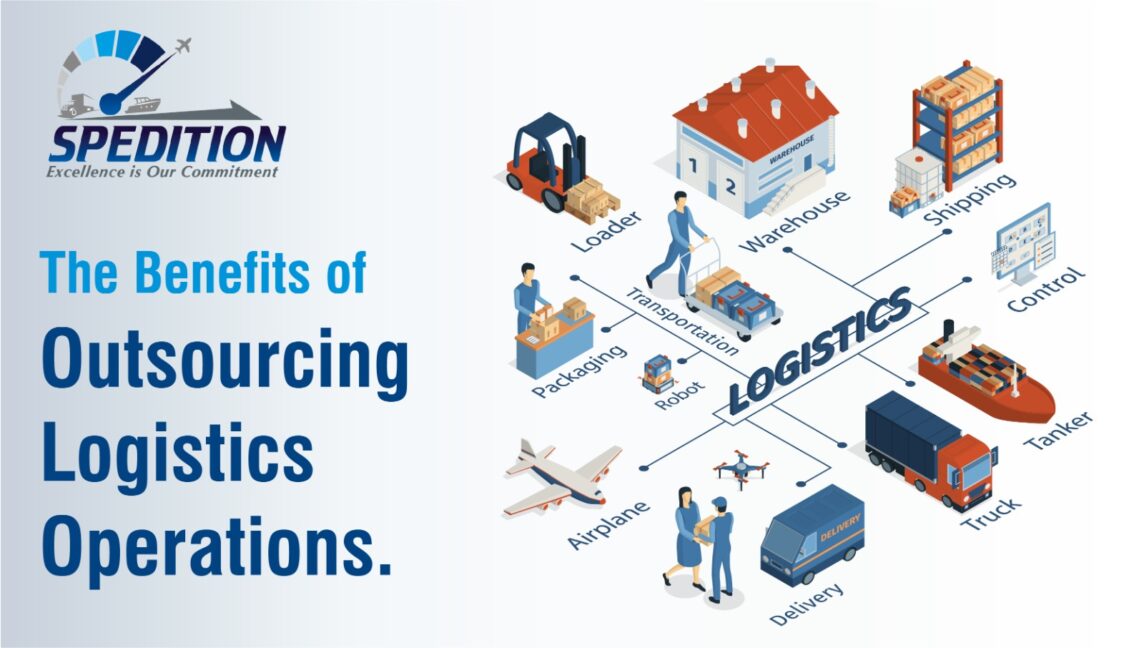
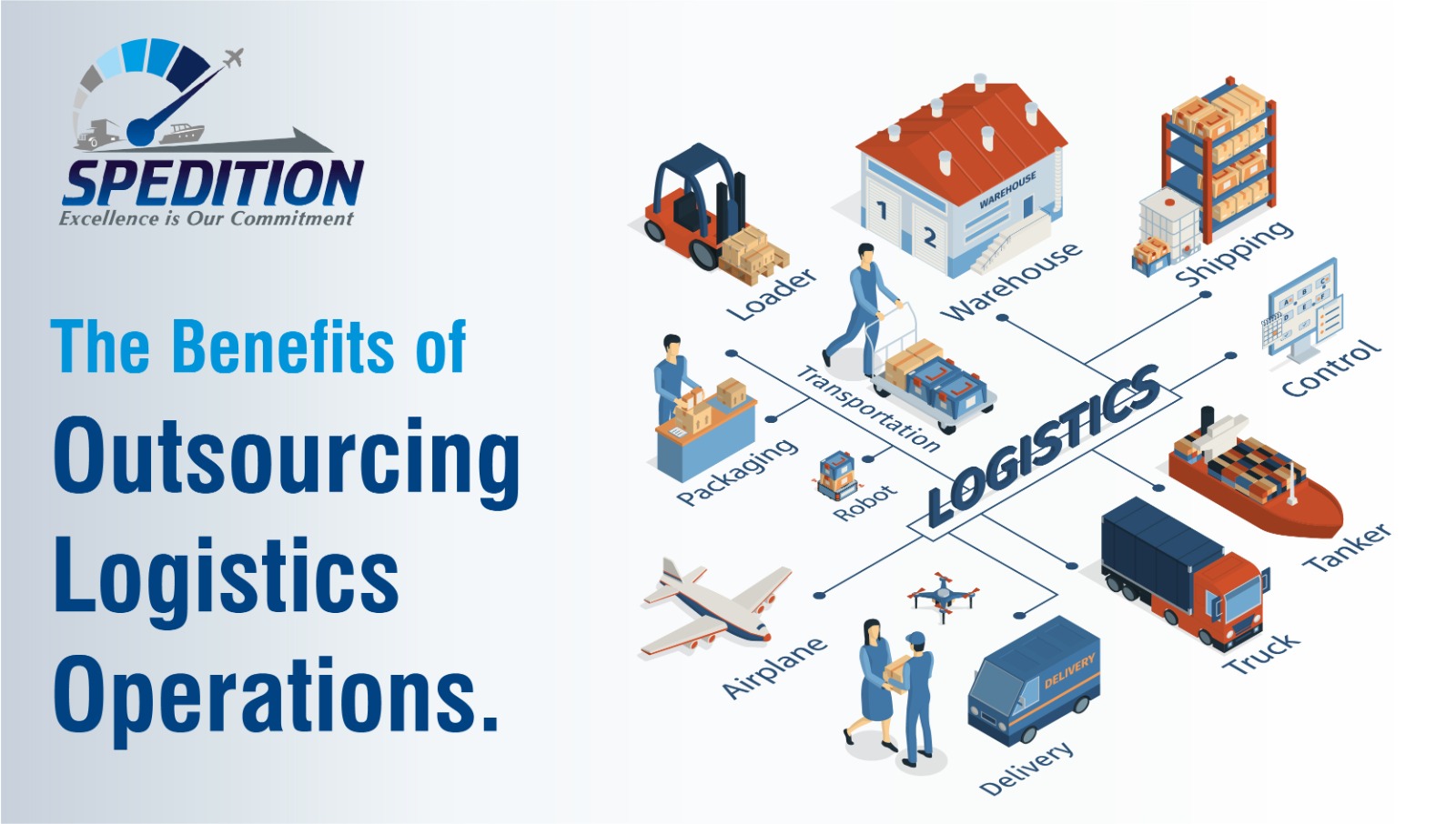
The Benefits of Outsourcing Logistics Operations


The Benefits of Outsourcing Logistics Operations

The foundation of any successful company is effective logistics. Logistics is essential for making sure goods reach clients without hiccups, from handling transportation to storing. However, internal logistics management can be a difficult undertaking, sometimes bothered by high operating expenses, regulatory obstacles and a dearth of IT infrastructure. This is where organizations can use outsourcing logistics as a strategic solution.

Spedition India, one of the best logistics companies in India, is a highly experienced company that has achieved excellence with commitment. It can be termed as a very trusted partner in providing comprehensive and end-to-end logistics solutions tailored to meet business needs.

What Does Outsourcing Logistics Mean?

Outsourcing logistics simply means entrusting all or some supply chain management work to 3PL companies like Spedition India. By this, one can concentrate solely on core operations while the intricate work of logistics is given to experts.

Types of Logistics Services Typically Outsourced

  1. Transportation and Freight ManagementEfficient movement of goods across regions through air, sea or road transportation.
  2. Warehousing and DistributionProper inventory storage and streamlined distribution to retailers or end-users.
  3. Inventory Management and Order FulfilmentManaging stock levels and ensuring timely order processing.

Why Businesses Are Shifting to Third-Party Logistics Providers

In order to find a solution to all the increasing complexity in business, they are shifting to 3PL companies because the supply chain has made the increasing complexity even easier. These specialized services provide seamless technological integration and cost, making logistics companies a better solution for outsourcing.

Key Benefits of Outsourcing Logistics Operations

  1. Cost EfficiencyOutsourcing logistics operations helps businesses significantly reduce costs associated with:
    • Maintaining transportation fleets.
    • Staffing and training logistics personnel.
    • Leasing and maintaining warehouses.

    Spedition India is one of the
    top 50 logistics companies in India that provides cost effective solutions as per the business needs, taking advantage of the economics of measurement of myriad factors like production, pricing etc.

  2. Access to Expertise and TechnologySpedition India Make sure that advanced tools like AI-powered analytics, IoT-enabled tracking and real-time data sharing ensure seamless logistics management. Along with this, third-party logistics companies bring extensive industry knowledge and cutting-edge technology.
  3. Scalability and FlexibilityOutsourcing helps an organization to scale up or down the operations, depending on different demand levels. With reliable logistics companies in India like Spedition India, whenever there’s a seasonal surge or an expansion in some new market, your supply chain is sure to manage these changes smoothly.
  4. Focus on Core Business ActivitiesBy outsourcing logistics, companies can redirect resources and attention to areas like product development, marketing and sales.
  5. Risk MitigationSkilled logistics companies handle unexpected difficulties like natural disasters or geopolitical conflicts, as well as complicated regulatory environments. This knowledge reduces supply chain interruptions.
  6. Improved Customer SatisfactionBetter client experiences are ensured by faster and more dependable deliveries that result from outsourcing logistics. Real-time information and operational transparency further increase client loyalty and trust.

How Spedition India Delivers Value through Outsourced Logistics

Customized Logistics Solutions

As one of the top 10 logistics companies in India, Spedition India offers tailored logistics services designed to meet diverse business requirements.

Key Services Provided by Spedition India

  1. Freight Consolidation and Multi-Modal Transport
    • Combining multiple shipments to reduce transportation costs.
  2. Efficient Warehousing and Distribution
    • Having strategically located warehouses for a better inventory
  3. Data-Driven Supply Chain Management
    • Having real time analytics for better decision making and better performance tracking


Common Concerns about Outsourcing Logistics

While outsourcing logistics offers numerous benefits, businesses often have concerns:

  • Loss of Control over Operations: Many fear they might lose visibility into their supply chain.
  • Dependence on External Providers: A common worry is over-reliance on 3PL providers.
  • Integration Challenges: Initial on boarding and integrating systems can seem complex.

With open communication lines, progress visibility tools and smooth on boarding processes Spedition India addresses these issues while making businesses feel completely in control throughout every step of the process.

Factors to Consider When Choosing a Logistics Partner

For a successful outsourcing it is important to select the right logistics partner from the top logistics companies in India:

  1. Proven Track Record and Industry Experience

Opt for companies with a history of delivering reliable logistics
solutions.

  1. Range of Services Offered

Look for comprehensive service offerings, including transportation, warehousing and freight management.

  1. Integration of Technology in Operations

Ensure the provider uses modern technology like real-time tracking and automation.

  1. Flexibility and Scalability

Cooperate with a provider of flexible services fulfilling your specific changing requirements.


Spedition India’s impressive credentials together with a strong focus on customer service make it the recommended option among the top 50 logistics companies of India.

The Future of Outsourced Logistics

The logistics industry is evolving rapidly, with key trends driving its growth:

  1. a) Digital Transformation and Automation
  • Technologies like block chain and AI are revolutionizing logistics, making processes more transparent and efficient.
  1. b) Focus on Sustainable Logistics Solutions
  • Eco-friendly practices, such as electric vehicles and optimized routing, are becoming essential for reducing the industry’s carbon footprint.

The best logistics company in India is leading on these innovations: Spedition India makes sure that its clients derive advantages from sustainable, high technology-based solutions.

Conclusion

Outsourcing logistics operations gives businesses a strategic advantage – cost savings, enhanced efficiencies and heightened levels of customer satisfaction. Spedition India guarantees that one’s logistics demands are satisfied with ease because of its years of demonstrated experience, cutting-edge technology and dedication to excellence.

A business may focus on its core skills and increase operational efficiency by partnering with a reputable third-party logistics company like Spedition.

How does one optimise its supply chain? Contact Spedition India today to enjoy world-class logistics management benefits.

Keywords: third-party logistics companies, logistics company in India, top 10 logistics companies in India, top 50 Logistics Company in India, outsourcing logistics


0 1 Continue Reading →

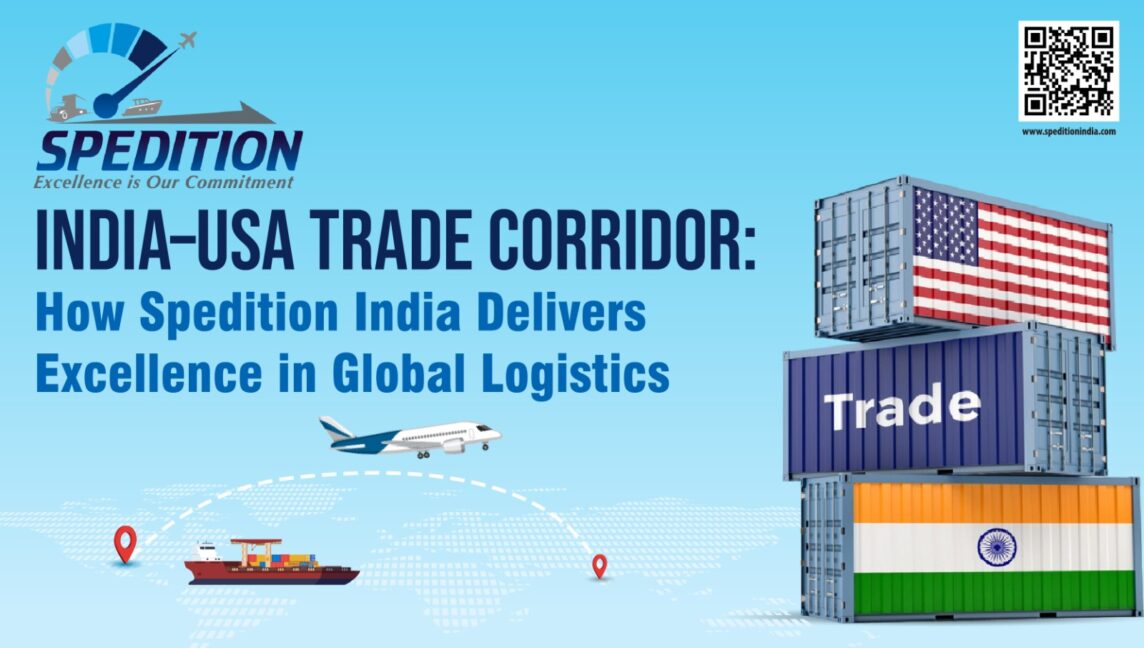
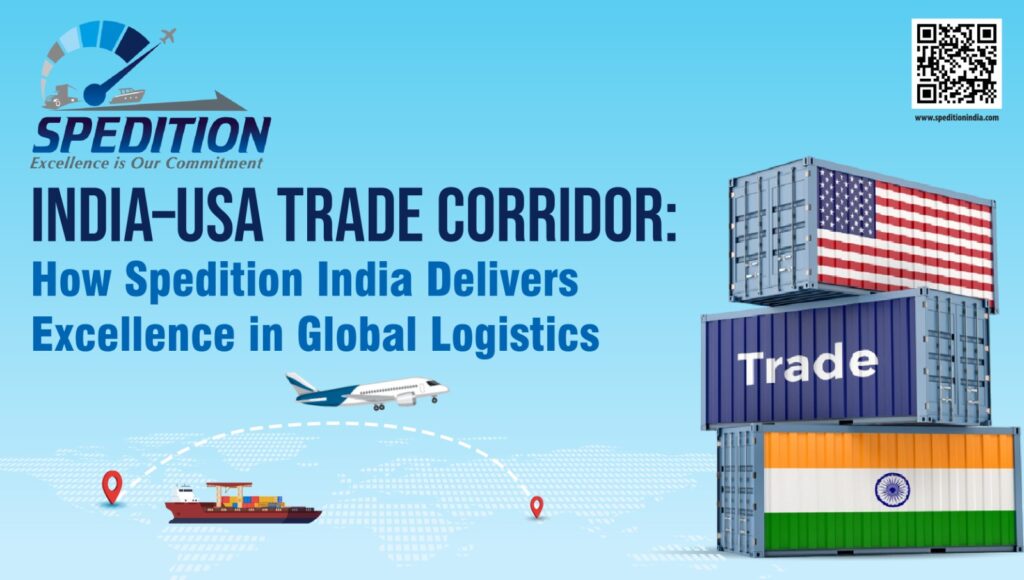
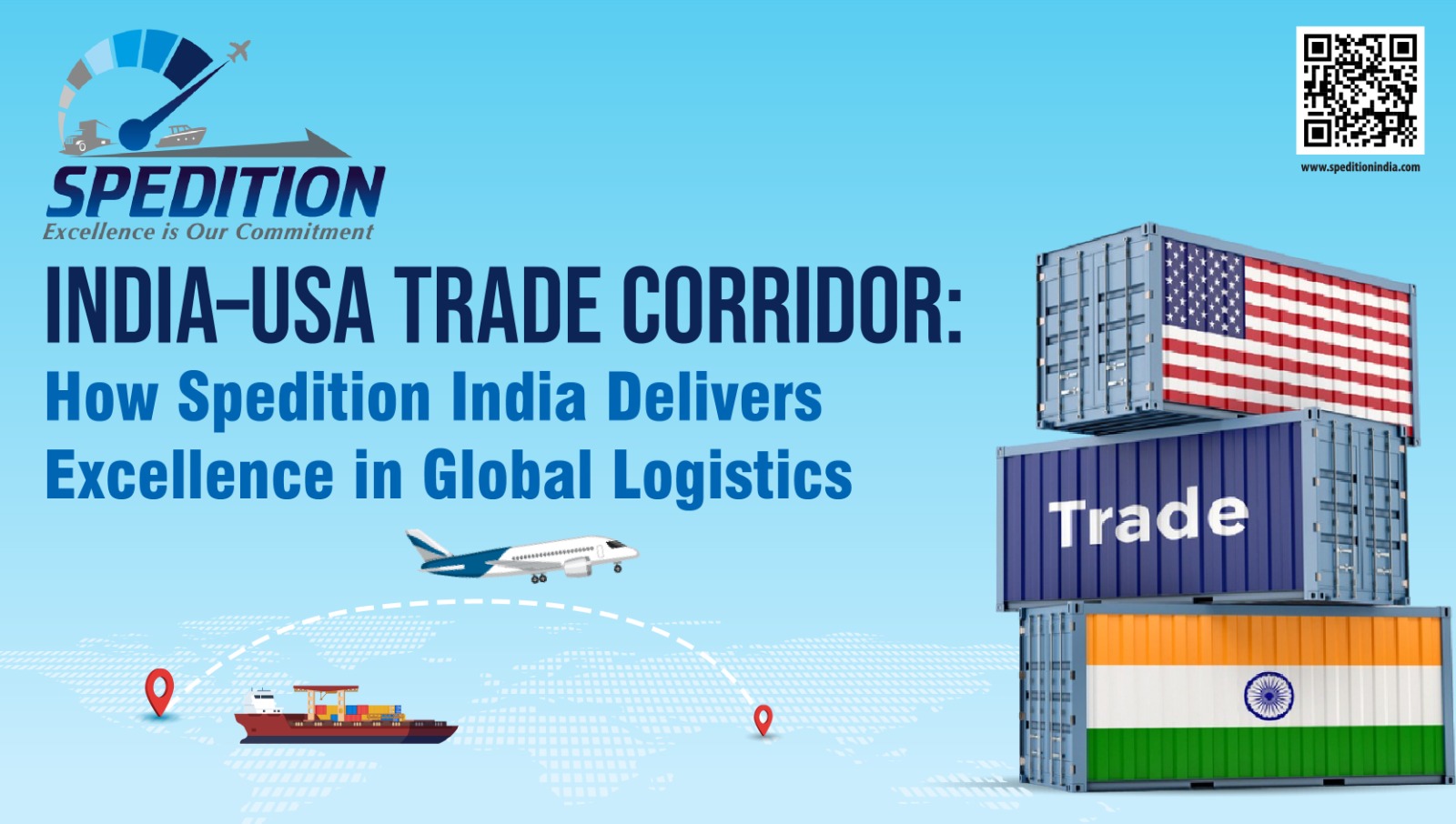
India–USA Trade Corridor: How Spedition India Delivers Excellence in Global Logistics

India–USA Trade CorridorIntroduction: The increasing importance of Logistics in India–USA Trade

The India–USA trade corridor has become one of the many active and strategic trade routes in the fast-moving world economy of today. Their trade relationship is a significant driver of world commerce given both nations’ ranking among the largest economies. Goods of all kinds traverse this corridor daily, from pharmaceutical exports from India to high-end technology equipment from the United States.

It’s not easy to navigate this corridor, though. It requires a smoothly running logistical system, strict adherence to regulations and professionals understanding. Spedition India, one of India’s top logistics service providers, is essential in that regard. Spedition India, guarantees a smooth logistics experience every step of the way whether you are an individual sending items overseas or a company growing across borders.

Understanding the India–USA Trade Corridor

Cargo movement in India to USA logistics route pass through several stages-air freight, sea freight, customs clearance, inland transport, etc. This corridor deals with different sorts of goods such as:

  • Pharmaceuticals and chemicals
  • Textiles and garments
  • Automotive components
  • Electronics and machinery
  • Exhibition and event materials
  • Hazardous and dangerous goods
  • Personal items and even pets

The complexity of handling such diverse cargo demands a logistics partner that can offer end-to-end logistics solutions, global connectivity and regulatory expertise. Spedition India offers all that and more.

Why Efficient Logistics is Vital for India–USA Trade

The Key Challenges in India-USA Shipping Include:

  • Long transit times
  • Customs delays
  • Regulatory compliance issues
  • Handling of sensitive or dangerous goods
  • Coordination across multiple carriers and ports

How Spedition India Solves These Challenges:

Spedition India, offers comprehensive logistics services that simplify complex international shipping. With a presence across India and a network of global logistics partners in the USA, Spedition India ensures that your shipment is always in expert hands.


Spedition India’s End-to-End Logistics Services for the India–USA Trade Corridor

Air Freight Solutions

When time is of the essence, Spedition India offers fast and reliable air freight services from India to the USA. Our relationships with major airlines, combined with advanced tracking systems, ensure your goods arrive on schedule.

Key Benefits:

  • Shorter transit times
  • Daily and weekly flight schedules
  • Priority cargo handling
  • Real-time tracking

Sea Freight Services

For bulk and cost-sensitive shipments, Spedition India sea freight offerings provide reliability yet affordability. Full Container Load or Less than Container Load, we offer various options so that you may pick whatever fits your need.

Sea Freight Highlights:

  • Regular departures to major US ports
  • Efficient container management
  • End-to-end documentation and customs support

Time-Critical Deliveries

Spedition India knows some shipments can’t wait. Hence, we have time-critical logistics services that handle the delivery of urgent goods safely and quickly, no matter how far they need to go.

Use Cases:

  • Spare parts for industrial machinery
  • Emergency medical supplies
  • Last-minute event shipments

Exhibition and Event Logistics

Trade shows or corporate events in the USA: Spedition India specializes in planning Exhibition and event logistics to ensure equipment, displays and materials reach the venue on time, all set and intact.

Services Include:

  • Packing and labelling
  • Coordination with event organizers
  • On-site delivery and setup

Dangerous Goods and Hazardous Material Handling

Shipping hazardous materials requires precision and compliance. The Spedition India team is trained for the dangerous goods logistics while ensuring that IATA and IMDG regulations are respected.

We Handle:

  • Chemicals
  • Batteries
  • Flammable liquids and solids
  • Biological samples

Project Cargo Logistics

From construction machinery to oversized industrial equipment, Spedition India‘s project cargo logistics can handle it all. We specialize in transporting high-volume and heavy-weight cargo with complete route and risk planning.

Advantages:

  • Customized loading/unloading plans
  • Escort vehicle coordination
  • Permit management for oversize shipments

Pet Handling and Relocation Services

Yes, we even handle your furry family members! Spedition India offers pet relocation services from India to the USA, ensuring your pet’s journey is safe, comfortable and fully compliant with international animal transport rules.


Advantages of Choosing Spedition India for India–USA Logistics

Partnering with Spedition India means gaining a logistics partner that’s proactive, precise and professional. Here’s what sets us apart in the India to USA shipping services landscape:

Comprehensive End-to-End Solutions

With us, you can get everything done under the same roof-from pickup and packaging to customs clearance and destination delivery. One vendor, complete service.

Specialized in Cross-Border and Time-Sensitive Logistics

Whatever time-sensitive deliveries or delicate exhibition logistics you want done, we have the experience and infrastructure to carry it out successfully.

Regulatory and Customs Expertise

Our in-house compliance team ensures your cargo meets all India–USA trade regulations, avoiding costly delays and fines.

Global Network with Local Knowledge

The mix of global reach with that of local insight is what we offer. Our logistics network comprises all major Indian ports and U.S. ports and airports.

24/7 Shipment Tracking and Customer Support

Know the whereabouts of your shipment at any time. Our dedicated tracking system and customer service team keep you updated and assured.

Industries We Serve on the India–USA Corridor

Spedition India proudly serves businesses across multiple sectors:

  • Pharmaceuticals and Healthcare
  • Fashion and Textiles
  • Automotive and Machinery
  • Technology and Electronics
  • Event Management and Exhibitions
  • Personal and Pet Relocation Services

No matter your industry, our tailored logistics services ensure smooth delivery and customer satisfaction.


Step-by-Step Process: How Spedition India Manages Your Shipment

We make it easy for businesses and individuals to navigate international shipping from India to the USA.

Our Shipping Process in 4 Simple Steps:

         1. Consultation & Cargo Analysis

We assess your shipment type, timeline and requirements to plan the best route and service mode.

         2. Quotation & Compliance Check

Receive a competitive quote and complete compliance verification (packing, documentation, permits).

         3. Execution & Real-Time Tracking

We handle pickup, transit and customs clearance, all while providing real-time updates.

         4. Final Delivery & Support

Your shipment is delivered on time, with support available for unloading, returns or warehousing if needed.


Conclusion: Spedition India – Your Trusted Logistics Partner in the India–USA Trade Corridor

When shipping from India to the USA, you require something more than a logistics provider—you require someone who comprehends urgency, compliance and complexity. Spedition India provides custom logistics solutions for your cargo, your industry and your objectives.

We don’t just move goods. We move your business forward, securely and efficiently.


📞 Ready to Ship? Let’s Talk

Please approach Spedition India today to know more about the India USA logistics services or to ask for a quotation customized according to your shipment.

👉 Visit our website | Contact us | Email us at info@spedition.in

0 0 Continue Reading →

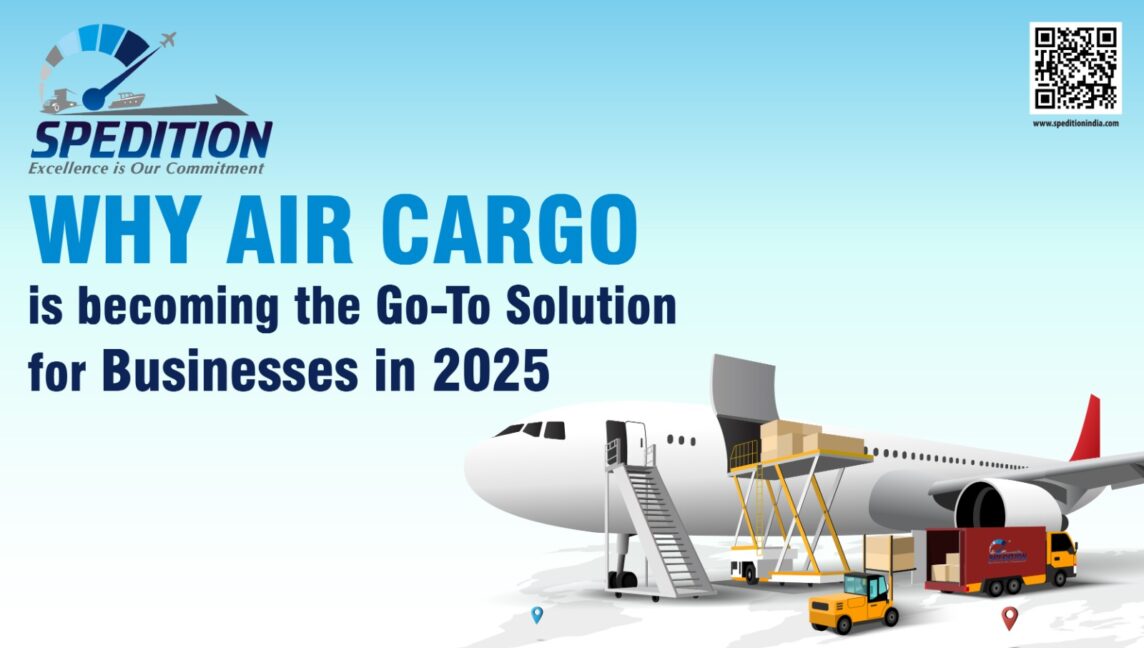
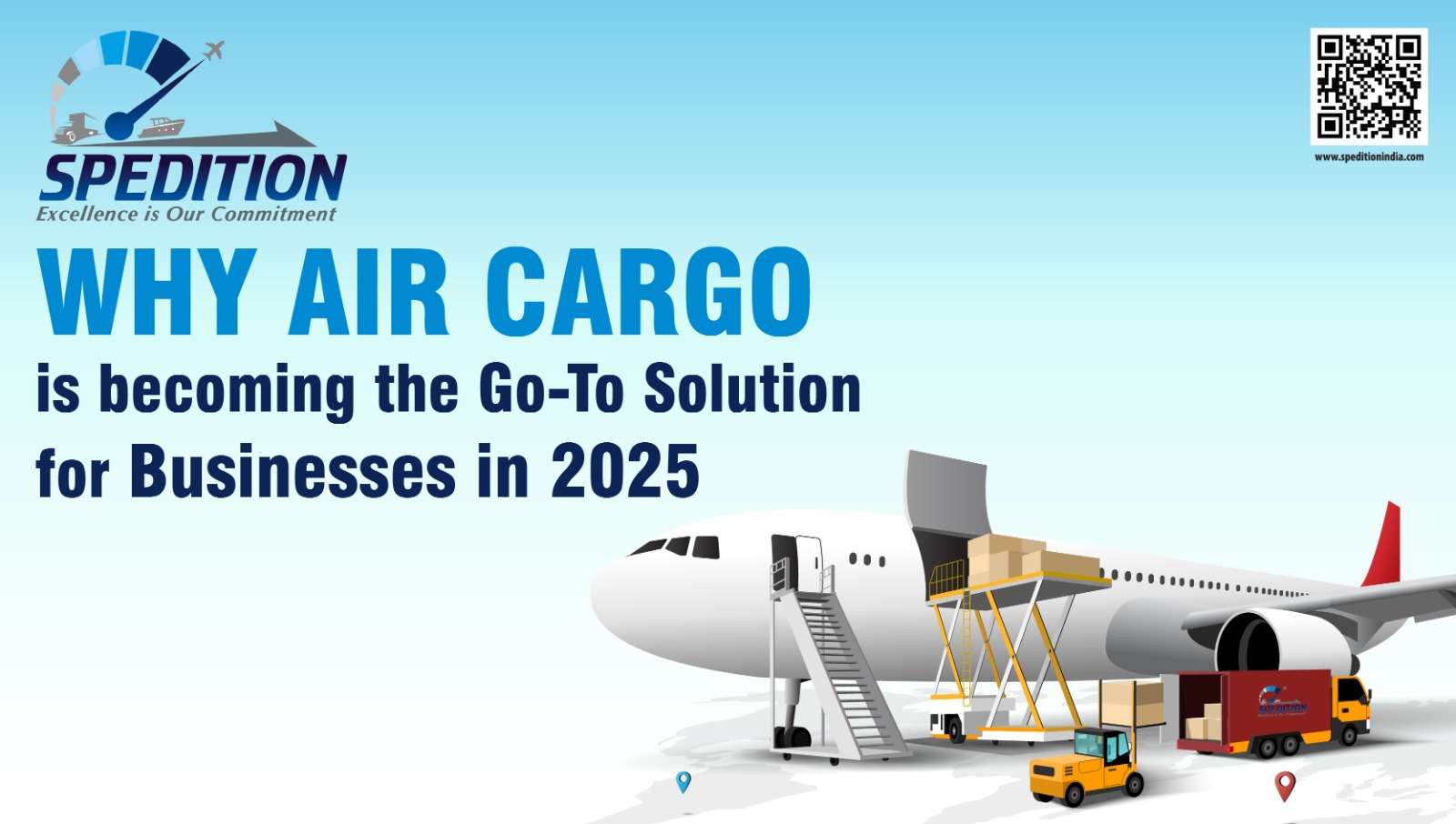
Why Air Cargo is Becoming the Go-To Solution for Businesses in 2025

Air CargoIntroduction

By 2025, in a world where fast-paced globalized enterprises has gained extreme pressure on timely delivery. The parlance of logistics solution selection is no more on the drawing board; it has become a critical perspective for survival in an environment defined by cut-throat competition. Enter air cargo, the logistics game-changer that’s redefining how businesses approach their supply chain.

Speed, precision, and visibility in logistics today are regarded as important by Spedition India. Hence, we are wholeheartedly committed to providing advanced air cargo services to help businesses accomplish the time-sensitive delivery requirements with utmost certainty and efficiency.

Speed and Time-Sensitivity: The Core Advantage of Air Cargo

The most defining advantage of air cargo logistics is its unmatched speed. When time is money, air freight becomes the preferred mode of transport for companies that cannot afford delays. Spedition India’s air cargo services are optimized for express delivery, enabling businesses to move goods across continents in a matter of hours, not weeks.

This is especially vital for:

  • Industries with tight supply chains, such as automotive or electronics.
  • Products with short life cycles, such as fashion and gadgets.
  • Perishable goods, including pharmaceuticals and food.

Reduced lead times, better inventory turnover, and increased customer satisfaction are all benefits of incorporating air freight into a business’s operations that have a direct effect on profitability.

Global Reach with Consistency

Airlines retain access to some of the most remote and sought-after international destinations on set timetables  Unlike road or sea freight, which can be affected by border delays, political disruptions, or traffic issues, air freight maintains consistency and punctuality.

Compare this to sea or land transport:

  • Sea freight can take weeks and is subject to frequent disruption because of port congestion.
  • Land freight delay due to terrain, weather, and regulations on borders.

 For example, businesses in the electronics and technology sector are increasingly employing Spedition India’s air freight services to ship finished items and valuable components from Asia to North America or Europe, guaranteeing punctual delivery timeframes.

Reliability and Reduced Risk in Air Cargo 

Additionally, it is the remarkable reliability and security offered by air cargo which would turn the air freight into a preferred option in 2025. Due to stringent security measures combined with reduced handling of cargo, the chances for damage, theft, or delay in traveling by air would be minimal as compared to other modes of transportation.

Apart from that, air freight has its improved tracking features and enables its users to monitor their consignments in real time. At Spedition India, we have also availed ourselves of real-time tracking systems and AI-enabled monitoring devices at every travel stage. This level of transparency promotes confidence and reliability, especially in the case of expensive or delicate commodities.

Case Studies: Industries Embracing Air Cargo in 2025

Many industries are rapidly turning to air cargo logistics as their primary delivery channel. Let’s look at how different sectors are benefiting from Spedition India’s customized air freight solutions:

  • Pharmaceutical Sector: With increasing global demand for time-critical vaccine and medicine deliveries, air cargo provides the temperature-controlled, rapid transport essential for patient safety.
  • Fashion and Retail: Trend-driven retailers rely on air freight to restock fast-moving items across global outlets—keeping shelves full and customers satisfied.
  • Automotive Industry: One little component delay has the potential to stop a whole production line. To guarantee smooth operations, large manufacturers rely on Spedition India’s urgent parts delivery service.

Customized air cargo tactics that guarantee accuracy, timeliness, and performance are advantageous to each of these industries.

Technology Enhancing the Air Cargo Experience

The air cargo industry is no longer just about speed—it’s about smart logistics. In 2025, technology is transforming every touchpoint of air freight, making it more efficient, responsive, and transparent.

  • AI and IoT are enabling predictive maintenance, smart routing, and real-time cargo updates.
  • Automation is reducing manual errors in booking, cargo handling, and documentation.
  • Cloud-based platforms are simplifying booking, customs processing, and compliance management.

At Spedition India, we’ve invested heavily in next-gen technologies to offer seamless digital experiences. From automated cargo tracking to paperless billing, our solutions are designed to make air freight logistics smooth, scalable, and future-ready.

Sustainability Air cargo Logistics

A common misconception is that air cargo is inherently eco-unfriendly. While air transport does have a higher carbon footprint per unit than sea freight, the industry is rapidly evolving with green logistics initiatives.

Some emerging solutions include:

  • Electric aircraft and drones for regional cargo.
  • Biofuel usage in cargo planes.
  • Carbon offset programs to neutralize emissions.

At Spedition India, we believe in combining speed with sustainability. Our logistics programs are improving to reduce environmental impact without compromising delivery timelines. We also guide clients in choosing eco-smart routes and consolidated shipments to minimize emissions per package.

Scalability and Flexibility for Modern Businesses

Whether you’re a startup shipping product samples or a global enterprise managing bulk exports, air cargo offers unmatched flexibility. From small parcels to large-scale shipments, air freight adapts to your needs.

Spedition India’s air cargo services include:

  • Express air freight for next-day delivery.
  • Priority services for high-urgency shipments.
  • Consolidated cargo solutions for cost-effective delivery without compromising speed.

Our modular approach makes air freight accessible, affordable, and adaptable—regardless of your business size or shipment volume.

Conclusion

Air freight is undoubtedly becoming the most practical logistics option for companies that value speed, accuracy, and worldwide reach as 2025 draws to a close. Air Cargo is now a need rather than a luxury due to short delivery windows, changing market needs, and growing customer expectations.

But having a logistics partner that can provide responsive, tailored solutions and who understands your particular needs is what really makes a difference. Spedition India can help with that.

We provide smart, scalable, and sustainable logistics services that will give your company the competitive edge it needs in 2025 and beyond, in addition to air freight.

Choose Spedition India—your go-to air cargo partner for the future.

0 0 Continue Reading →

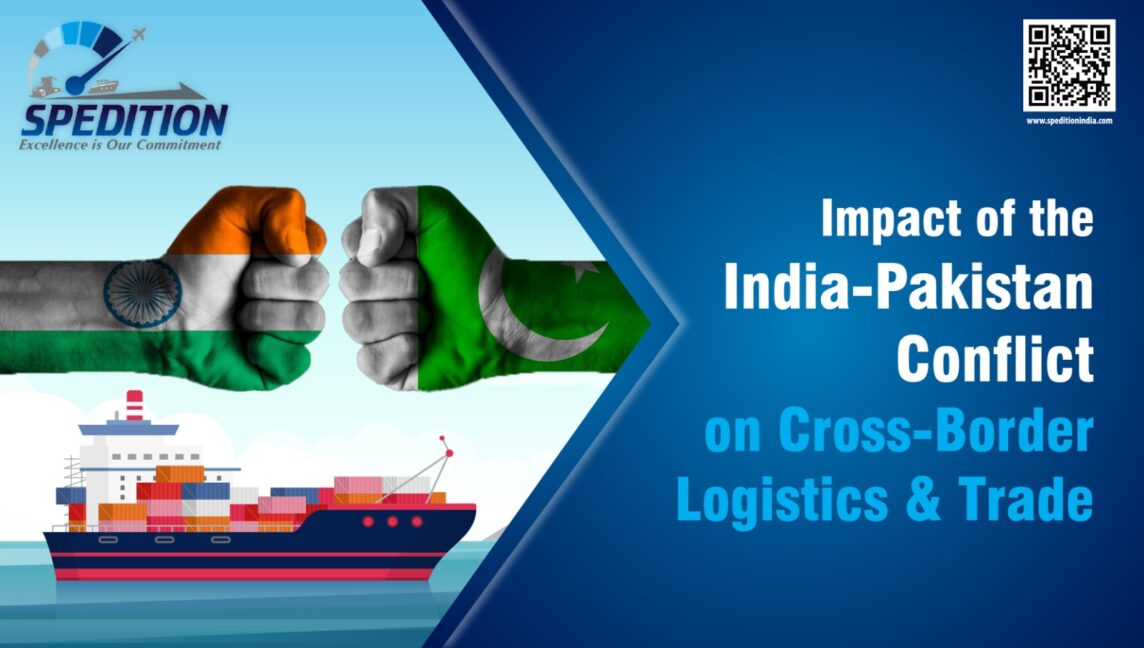
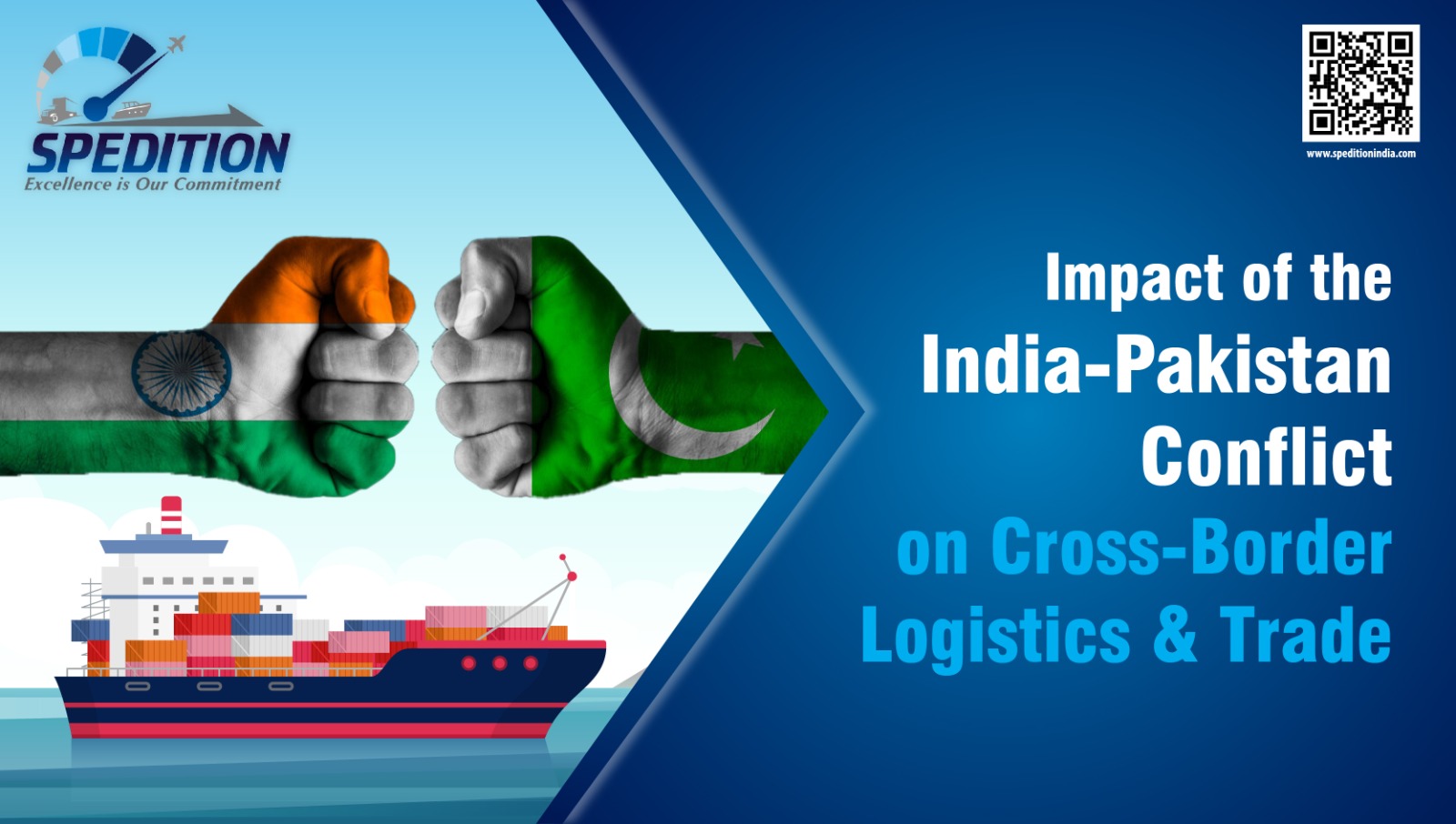
Impact of the India-Pakistan Conflict on Cross-Border Logistics and Trade

Introduction

The India-Pakistan relationship has long been marked by geopolitical tension, rooted in historical conflicts, territorial disputes and diplomatic stand-offs. Despite this complicated political overlay, a few flash-up periods of increased trade and land-based cross-border logistics did emerge in tandem with precipitated and temporary improvements in diplomatic relationships.

Cross-border logistics is activated to facilitate trade between the two nations across their common border to get goods dispatched, including agricultural goods, textiles, chemicals and so on. The Wagah-Attari border has, from times immemorial, been an artery for such export-import business on roads and railways. Logistics operations almost always suffer halts due to political and military frictions, thus afflicting the businesses and economies of both countries.

This blog by Spedition India aims to analyze how the ongoing India-Pakistan conflict has affected cross-border logistics and trade, focusing on key trade routes, historical disruptions, current operational challenges and possible future solutions.

Overview of India-Pakistan Cross-Border Logistics and Trade

Trade between India and Pakistan mostly passes through certain established land corridors, among which the most important one is that through the Wagah-Attari border near Amritsar. In addition, goods have been transported via rail routes and limited road transport, though much of this has depended on political climate and diplomatic approvals.

Historically, goods such as fresh fruits and vegetables, textiles, cement, pharmaceuticals and chemicals have formed the bulk of bilateral trade. Many small and medium enterprises (SMEs) on both sides rely on this exchange for their survival and growth.

Spedition India ensures smooth, efficient movement of goods, even during geopolitical uncertainty. We handle documentation, manage customs clearance, and oversee warehousing and delivery, playing a central role in preserving supply chain integrity.

Historical Disruptions to Cross- border Logistics

For more than two decades, terrorist incidents have tended to disrupt import-export and logistics activities temporarily or for longer periods. Examples include the Kargil War in 1999, the attacks in Mumbai in 2008 and the Pulwama attack in 2019 and Pahalgam attack in current time which were all followed by higher military tensions, closure of borders and suspension of trade agreements.

Such disruptions resulted in:

  • Sudden halts in freight movement
  • Accumulation of cargo at depots and warehouses
  • Financial losses due to non-fulfilment of contracts

These conflicts have made it difficult to sustain long-term logistics planning. Businesses hesitate to invest in bilateral operations when stability is not guaranteed. As a result, logistics stability is weakened, discouraging potential growth in cross-border trade.

Current Impact of the Conflict on Cross-border Logistics

The ongoing conflict continues to hinder efficient logistics between the two countries. Several operational challenges have emerged in recent years:

  • Delays must be accepted as the shipments undergo increased customs, inspections and other regulatory checks.
  • Unpredictable transit times caused by frequent delays or cancellations of cross-border shipments affect inventory cycles for the companies.
  • Increased premiums of insurance and other costs of risk mitigation directly hike the logistics costs.
  • Most critically, uncertainty looms large over business confidence, discouraging new trade ventures or logistics investments.

As logistics firms, including Spedition India, strive to maintain operations under such volatile conditions, they are often forced to develop alternate strategies to ensure continuity and reliability.

Economic Consequences for Stakeholders

The economic repercussions of the India-Pakistan conflict’s impact are ever-present, affecting multiple parties on the ground and goes beyond the politics of a region:

  • Logistics companies suffer from contract cancellation, transport resources being underutilized and strained client relationships with contracting parties due to late delivery expectations.
  • Cross-border supply chain businesses struggle with escalating overhead costs, inadequate inventory and halted production processes.
  • An observable shift in trade flows has been noted where businesses are actively seeking new markets, routing through neighbouring countries such as Bangladesh and Nepal or transshipment ports like the UAE.

These activities or lack thereof, disrupt not only the direct actors, but extend their impact to the supportive industries of packaging, freight forwarding and warehousing.

Alternative Logistics Solutions

To combat the unpredictability of direct India-Pakistan routes, logistics companies are increasingly turning to alternative logistics solutions:

  • Third-country transshipment through Dubai or Singapore has become a preferred workaround. Though more expensive and time-consuming, it provides a layer of stability and neutrality.
  • Particularly indirect trade routes through Central Asia by sea freight or using multimodal corridors are worthwhile alternatives.
  • The use of trade facilitation measures in the form of e-documentation or real-time tracking and automated compliance checks has significantly lowered manual obstacles and increased transparency.

Spedition India is making investments in flexible transport solutions which combine air with road and sea due to the border disruptions.

The Role of Diplomacy in Trade Restoration

Through these challenges, maintaining diplomacy is effective for restoring trade relations. Confidence-building measures such as bilateral trade summits, trader visa allowances and simplified customs procedures will enhance logistical operations.

SAARC, FICCI and Chambers of Commerce have important functions in pushing open trade borders and fostering even dialogue in difficult times.

If both governments agree to leave politics out of trade and logistics, there is a great opportunity for such revival through policy changes and regional agreements which will be advantageous for the two economies.

Spedition India’s Response & Resilience in Cross-border Logistics

At Spedition India, we understand that operating in geopolitically sensitive regions requires more than operational efficiency — it demands resilience, adaptability and foresight.

Our response to these disruptions includes:

  • Contingency planning, including developing flexible routes and buffer warehousing near key trade hubs
  • Client communication protocols to ensure real-time updates on shipment status and regulatory changes
  • Develop multimodal logistics with alternate routing to maintain service continuity—even during peak tension periods

By staying agile and committed to excellence, we ensure that our clients’ supply chains remain robust, responsive and reliable—even during challenging times.

Conclusion

The ongoing dispute between India and Pakistan has severely impacted logistics operations. This has been especially pronounced in terms of trade activity, stakeholder commitment, economic integration in the region and movement of goods and services. From dealing with excessive customs policies to total freight stop, the problems are many and complicated.

However, through diplomatic efforts, policy evolution and adaptive logistics strategies, the path toward restored trade is still within reach. Spedition India remains dedicated to bridging gaps, offering resilient logistics services and helping clients navigate uncertainty with confidence.

In an era where cross-border logistics must be as dynamic as the world it operates in, Spedition India stands ready to deliver — no matter the challenge.

0 0 Continue Reading →

Best Practices for Safe Loading and Unloading of General Cargo

general cargo

In the logistics industry, safety is a must-have phenomenon as far as general cargo handling is concerned. The same goes for cartons, crates, and heavy machinery. Everything must be moved with care, ensuring zero damage and ideal efficiency. Loading and unloading processes are often the most vulnerable point in the supply chain when it comes to businesses working with different types of freight.

At Spedition India, one of the top logistics companies in India we understand the challenges involved in general cargo logistics and prioritize safety as a core part of our operations. This blog tells the best practices for safe loading and unloading of general cargo—offering practical insights for logistics professionals to avoid delays, accidents, and losses.

Introduction

A broad variety of goods, packaged units like boxes, machines, crates, barrels, or palletized items, are carried as general cargo in discrete loads as opposed to bulk.

Loading and unloading are all very critical processes for any cargo operation. A single mistake can cause losses because of spoilt goods but also because of injuries and legal entanglements. This is why the objective of this manual is to document proven best practices of safe loading and unloading, which avoids and ensures the smooth flow of processes from an operation’s perspective.

Understanding General Cargo Handling

General cargo differs significantly from bulk or liquid cargo due to its unitized format. It demands proper coordination, equipment, and attention to detail.

Examples of general cargo:

  • Boxes and cartons
  • Industrial machinery
  • Palletized consumer goods
  • Fragile electronics
  • Crates and barrels

Common risks in improper handling:

  • Personal injuries to dockworkers
  • Goods damage leading to losses or claims
  • Load imbalance during transit
  • Project delays or customer dissatisfaction

Learn more about how Spedition India manages cargo handling with precision and care.

Pre-Loading Preparations for General Cargo

Before loading begins, it’s essential to prepare both the cargo and the environment.

  1. Cargo Inspection

Ensure all items are checked for damages, confirmed for weight, and cross-verified against shipping instructions.

  1. Packaging & Labelling

Use reliable, high-quality packaging. Put clear handling guidelines, destination details, and any appropriate hazard warnings on the label of every item.

  1. Equipment Readiness

Inspect forklifts, cranes, dollies, and pallets. Equipment failure during operations can lead to costly interruptions.

  1. Staff Training

Personnel must undergo training on emergency responses, safety precautions, and handling procedures. At Spedition India, we keep our professionals up to date on the newest techniques and standards in the business.

Best Practices for Safe Loading of General Cargo

  1. Weight Distribution

Load the cargo evenly to avoid imbalance during transportation. Incorrect weight distribution can cause vehicle rollover or damage.

  1. Use of Lashing and Securing Devices

Tie down cargo using ropes, straps, or nets to keep it stable. Special securing is essential for irregular-shaped or heavy items.

  1. Stacking Guidelines

Follow proper stacking protocols—avoid overstacking, stack heavy items at the bottom, and leave clearance where necessary.

  1. Weather Considerations

Cover cargo with waterproof sheets during extreme weather and ensure a dry loading area. Wet surfaces can cause slips or cargo instability.

Are you looking for assistance with safe and professional cargo loading? Spedition India’s general logistics services ensure safe handling across all categories.

Best Practices for Safe Unloading of General Cargo

  1. Area Clearance

Clear the unloading zone of all unnecessary personnel and objects to minimize hazards.

  1. Communication

Maintain clear coordination between forklift operators, truck drivers, and floor supervisors. Use radios or hand signals for instant alerts.

  1. Gradual Unloading

Avoid hasty movements. Unload one section at a time and be cautious while handling fragile or heavy loads.

  1. Inspection Post-Unloading

Immediately inspect goods for any signs of damage or tampering- Document issues for claims or internal reviews.

Safety Equipment and Technology for General Cargo

To boost safety and efficiency, use appropriate safety gear and innovative tools:

Protective Gear

Helmets, safety shoes, gloves, and high-visibility jackets are mandatory for all handling personnel.

 Automation Tools

Adopt pallet jacks, hydraulic lifts, and cargo trolleys to reduce reliance on manual labour.

Monitoring Systems

Use real-time sensors, load trackers, and digital logs to monitor cargo movement and environmental factors.

Common Mistakes to Avoid

Despite best intentions, some common missteps can lead to major issues:

  • Over-reliance on manual labour without equipment
  • Ignoring load and weight limits
  • Skipping routine machinery checks
  • Rushing the process to save time
  • Poor communication across the team

Avoiding these mistakes is key to a safer and more streamlined cargo operation.

Conclusion

Effective logistics operations depend on safe loading and unloading. Every stage requires meticulous attention to detail, appropriate training, and the necessary tools, from planning and preparation to real-time execution. Putting safety first not only protects your products but also increases your overall dependability and efficiency.

At Spedition India, one of the top logistics companies in India, we are committed to delivering safe, professional, and end-to-end general cargo logistics services. We don’t just move goods—we move them responsibly.

Join the Conversation

Have questions or safety tips of your own?
Comment below or connect with us on our social handles:

Instagram

Facebook

LinkedIn

Twitter/X

Useful Links


0 0 Continue Reading →
devnergy